INVISALIGN $1000 OFF Summer Special. Learn More


What Is Dental Implant Recovery Time?
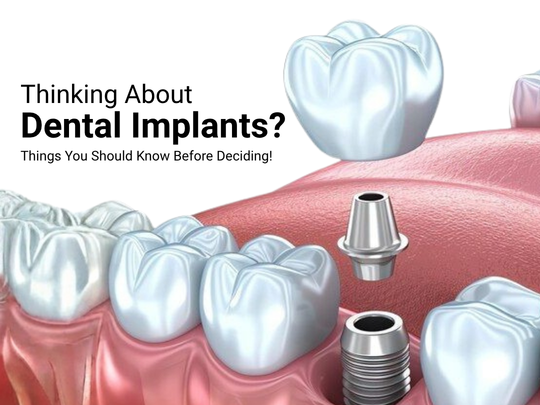
Dental implant recovery time refers to the healing period after a dental implant procedure, during which the implant integrates with your jawbone and surrounding tissues recover.
Most patients recover in stages:
- Initial healing: 1–2 weeks
- Early bone integration: 6–12 weeks
- Full healing (osseointegration): 3–6 months
- Final crown placement: After healing is complete
Recovery varies depending on overall health, bone quality, and how well you follow implant aftercare instructions.
Why Do Dental Implants Require a Healing Period?
Dental implants are designed to replace missing tooth roots. Unlike dentures or bridges, they must fuse with your jawbone through a process called osseointegration.
This healing period is essential because it:
- Stabilizes the implant
- Supports long-term durability
- Prevents implant failure
- Allows gum tissue to heal properly
Without proper healing time, the implant may not integrate correctly.
When Is a Dental Implant Recommended?
Your dentist may suggest dental implants if you have:
- One or more missing teeth
- Difficulty chewing or speaking
- Bone loss in the jaw
- Loose or uncomfortable dentures
- A desire for a long-term tooth replacement solution
Patients in areas like Cincinnati often choose implants for their durability and natural feel compared to other options. If you’re still deciding between treatment options, understanding how implants compare to alternatives can help. Read our detailed guide on Dental Implants vs Bridges: Which Tooth Replacement Option Will Truly Restore Your Smile?
Step-by-Step Dental Implant Procedure Timeline
1. Consultation and Planning
- Digital scans and X-rays
- Bone density evaluation
- Treatment plan creation
2. Implant Placement Surgery
- Titanium post is placed into the jawbone
- Local anesthesia ensures comfort
- Procedure usually takes 1–2 hours
3. Healing & Osseointegration Phase
- Bone gradually fuses with the implant
- Takes 3 to 6 months in most cases
4. Abutment Placement
- Connector piece attached to implant
- Minor healing (1–2 weeks)
5. Final Crown Placement
- Custom crown attached
- Full function restored
Dental Implant Healing Stages (Detailed Breakdown)
Stage 1: First 24–72 Hours
- Swelling and minor bleeding are normal
- Soft foods recommended
- Rest is essential
Stage 2: First Week
- Gum tissue begins healing
- Discomfort significantly reduces
- Stitches may dissolve or be removed
Stage 3: Weeks 2–6
- Soft tissue fully heals
- Implant begins stabilizing
- Normal activities resume
Stage 4: Months 2–6
- Bone integrates with implant
- Implant becomes permanently anchored
Stage 5: Final Restoration
- Crown placement
- Full chewing ability returns
What Affects Dental Implant Recovery Time?
Recovery is not the same for everyone. Key factors include:
1. Bone Quality and Density
Patients with strong jawbone structure heal faster.
2. Number of Implants
Single implants heal quicker than full-mouth restorations.
3. Additional Procedures
Bone grafting or sinus lifts can extend healing by several months.
4. Overall Health
Conditions like diabetes or smoking habits can delay healing.
5. Implant Aftercare
Proper hygiene and care significantly speed up recovery.
Benefits of Dental Implants After Recovery
Once healing is complete, dental implants offer:
- Natural look and feel
- Long-lasting durability (often decades)
- Improved chewing and speech
- Prevention of bone loss
- No impact on adjacent teeth
Many patients are surprised by how natural implants feel. Learn more in our guide on Why Dental Implants Feel More “Real” Than Your Natural Teeth.
Risks and Potential Complications
While dental implants are generally safe, some risks include:
- Infection at the implant site
- Implant failure (rare)
- Nerve damage (uncommon)
- Sinus complications (upper jaw implants)
- Delayed healing
Following proper implant aftercare greatly reduces these risks.
Implant Aftercare: How to Heal Faster
Immediately After Surgery
- Use ice packs to reduce swelling
- Avoid hot foods and drinks
- Stick to soft foods like yogurt and mashed potatoes
During Healing
- Brush gently around the implant site
- Use antibacterial mouthwash if prescribed
- Avoid smoking and alcohol
Long-Term Care
- Maintain daily oral hygiene
- Visit your dentist regularly
- Use a soft-bristled toothbrush
Patients in Cincinnati are often advised to schedule follow-ups to monitor healing and ensure proper implant integration.
When Should You Contact a Dentist?
Seek professional evaluation if you experience:
- Severe or worsening pain
- Persistent swelling after a week
- Signs of infection (pus, fever)
- Loose implant sensation
- Early intervention helps prevent complications.
Call now to talk to our professionals and get your questions about dental implants answered—timely care can make all the difference.
How Long Does Dental Implant Recovery Time Take for Most People?
- Basic recovery: 1–2 weeks
- Functional healing: 6–12 weeks
- Complete integration: 3–6 months
In complex cases (with bone grafting), recovery may take 6–9 months or longer.
FAQ Section (People Also Ask)
How painful is dental implant recovery?
Most patients report mild to moderate discomfort for a few days. Pain is manageable with prescribed or over-the-counter medication.
Can I return to work after dental implant surgery?
Yes, many patients return within 1–3 days, depending on the complexity of the procedure.
How long before I can eat normally after implants?
Soft foods are recommended for the first week. Normal eating typically resumes within 2–6 weeks, depending on healing.
Do dental implants heal faster than extractions?
Initial healing is similar, but implants require longer overall healing due to bone integration.
What foods should I avoid during implant healing?
Avoid:
1. Hard foods (nuts, chips)
2. Sticky foods
3. Spicy or acidic items
4. Extremely hot foods
Can dental implants fail during recovery?
Yes, but it’s rare. Failure usually occurs due to infection, poor bone support, or inadequate aftercare.
Does age affect dental implant recovery time?
Age alone is not a major factor. Overall health and bone condition matter more.
Is swelling normal after dental implant surgery?
Yes, swelling typically peaks within 48–72 hours and gradually subsides.
How do I know if my implant is healing properly?
Signs of proper healing include:
1. Reduced pain over time
2. No persistent swelling
3. Stable implant position