INVISALIGN $1000 OFF Summer Special. Learn More



Losing a tooth can change more than just your appearance. Suddenly eating feels different, smiling in photos becomes uncomfortable, and many people start covering their mouths when they laugh.
If you’re researching dental implants vs bridges, you’re already taking the right step toward restoring your smile and confidence.
Patients across Cincinnati, OH often ask the same question:
“Which option will last longer, look natural, and protect my oral health?”
The answer depends on several factors — including your bone health, lifestyle, and long-term goals. In this guide, we’ll break down the real differences so you can choose the best tooth replacement option for your situation.
Why Replacing a Missing Tooth Matters More Than You Think
A missing tooth might seem like a cosmetic issue at first. But over time, the effects can impact your entire mouth.
When a tooth is missing:
- Neighboring teeth begin shifting
- Your bite changes
- Jawbone slowly shrinks
- Chewing becomes uneven
- Future dental problems become more likely
Many Cincinnati patients wait months or even years before replacing a tooth — only to discover the treatment becomes more complex later.
That’s why dentists recommend exploring your options early.
Understanding the Two Most Popular Tooth Replacement Options
When comparing dental implants vs bridges, both treatments are designed to restore your smile and chewing ability. But they work in very different ways.
Dental Implants
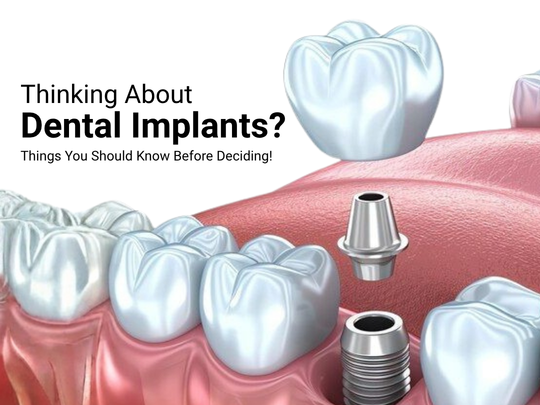
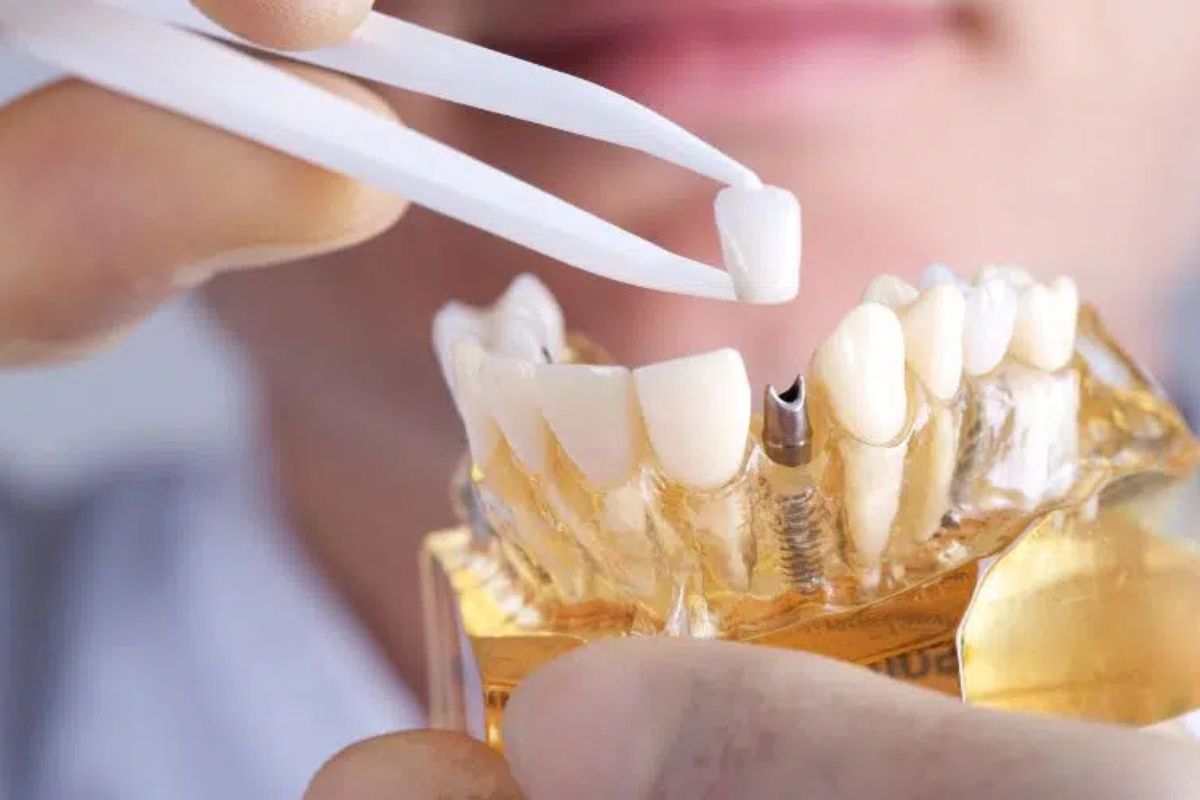
Dental implants replace the entire tooth structure, including the root.
A small titanium post is placed in the jawbone. Over time, the bone naturally fuses with the implant, creating a stable foundation for a crown.
What patients like about implants:
- They function like natural teeth
- They help preserve jawbone density
- Adjacent teeth remain untouched
- They can last decades with proper care
Many people choose implants because they provide the closest experience to having a real tooth again.
Dental Bridges
A dental bridge fills the gap left by a missing tooth by anchoring an artificial tooth between two neighboring teeth. Those supporting teeth are reshaped and fitted with crowns that hold the bridge in place.
Benefits of bridges include:
- Faster treatment timeline
- No surgical procedure
- Lower initial cost
- Reliable short- to mid-term solution
For some patients, bridges remain an effective option depending on oral health and personal preference.
Dental Implants vs Bridges: Key Differences That Matter
Understanding the real-world differences can help you decide which treatment fits your goals.
1. Longevity
Dental implants can last 20+ years or longer with proper care.
Bridges typically last 7–15 years before needing replacement.
2. Jawbone Health
Implants stimulate the jawbone just like natural tooth roots. This helps prevent bone loss.
Bridges do not provide this stimulation, which means the jawbone may gradually shrink in the missing tooth area.
3. Impact on Neighboring Teeth
Bridges require reshaping healthy teeth to support the restoration.
Implants stand independently and do not affect surrounding teeth.
4. Treatment Timeline
Bridges are often completed within a few weeks.
Implants require healing time because the bone must integrate with the implant post. The process may take several months, but the long-term stability is a major advantage.
When a Dental Bridge Might Be the Right Choice
While implants are often considered the most durable solution, bridges still serve an important role in dentistry.
A bridge may be recommended when:
- Adjacent teeth already need crowns
- Bone loss makes implants difficult
- A faster restoration is preferred
- Surgery is not ideal for medical reasons
An experienced dentist will review your oral health, X-rays, and long-term goals before recommending the right solution.
Why Many Cincinnati Patients Choose Dental Implants
Across Cincinnati and surrounding communities, dental implants have become increasingly popular for patients who want a long-term solution.
Here’s why:
- They restore full chewing power
- They help maintain facial structure
- They feel like natural teeth
- They require no special maintenance beyond normal brushing and flossing
For patients looking for the best tooth replacement option, implants often provide unmatched stability and confidence.
The Importance of Personalized Treatment Planning
No two smiles are the same.
The right choice between implant vs bridge in Cincinnati depends on factors like:
- Jawbone density
- Gum health
- Location of the missing tooth
- Overall dental condition
- Long-term oral health goals
At MK Dental Excellence, treatment planning focuses on helping patients make informed decisions that protect their smile for years to come.
During a consultation, digital imaging and a detailed exam help determine which option will work best for your specific needs.
What to Expect During Your Consultation
Many patients feel relieved after their first visit because they finally understand their options.
A typical evaluation may include:
- Comprehensive dental exam
- Digital X-rays or 3D imaging
- Bite and jaw assessment
- Discussion of restoration options
- Timeline and treatment planning
This approach helps ensure your tooth replacement blends naturally with your existing smile. If you’re ready to explore your options, call us today to schedule your consultation.
Ready to Restore Your Smile? Schedule Your Visit Today
If you’re comparing dental implants vs bridges and want clear answers tailored to your situation, the next step is a professional consultation.
The team at MK Dental Excellence in Cincinnati helps patients explore tooth replacement solutions designed for comfort, durability, and long-term oral health.
Whether you’re missing one tooth or exploring multiple restoration options, personalized care can make the process easier than you expect.
Call today or schedule an appointment online to discover the best tooth replacement option for your smile.
A confident, complete smile may be closer than you think.
Frequently Asked Questions
Are dental implants better than bridges?
Dental implants often last longer and help maintain jawbone health. However, bridges may be appropriate in certain cases depending on oral health, budget, and treatment timeline.
How much do implants vs bridges cost in Cincinnati?
Costs vary based on the number of teeth being replaced, materials used, and additional procedures that may be needed. A consultation provides the most accurate estimate.
Is getting a dental implant painful?
Most patients report minimal discomfort during implant placement. Local anesthesia and modern techniques help make the procedure comfortable.
How long do dental bridges last?
With proper care, dental bridges typically last between 7 and 15 years before replacement may be needed.
Who is a good candidate for dental implants?
Ideal candidates have healthy gums and adequate jawbone density. Even if bone loss has occurred, additional treatments may make implants possible.
Can a bridge be replaced with a dental implant later?
Yes. Many patients eventually replace an aging bridge with a dental implant once the bridge reaches the end of its lifespan.
How long does the dental implant process take?
The full implant process may take several months because the jawbone must fuse with the implant before the final crown is placed.
Which option looks more natural?
Both options are designed to blend with your natural smile, but implants often provide the most natural feel and function because they replicate the full tooth structure.