INVISALIGN $1000 OFF Summer Special. Learn More



Losing a tooth changes more than your smile. It affects how you eat, speak, and feel about yourself every day. If you live in Cincinnati and are weighing your options, the question of Dental Implants vs. Dentures: Which Option Truly Fits Your Life in Cincinnati is one worth exploring carefully. Dr. Manju R. Kejriwal at MK Dental Excellence helps patients make confident, informed decisions about tooth replacement every day.
Understanding Your Tooth Replacement Options in Cincinnati
When a tooth is missing, you have several paths forward. The three most common options are dental implants, dentures, and dental bridges. Each one works differently and suits different lifestyles, budgets, and health situations.
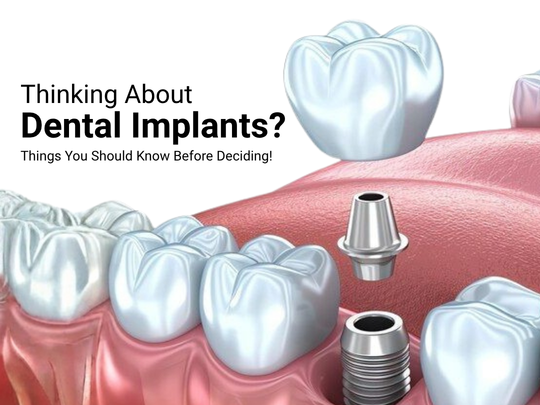
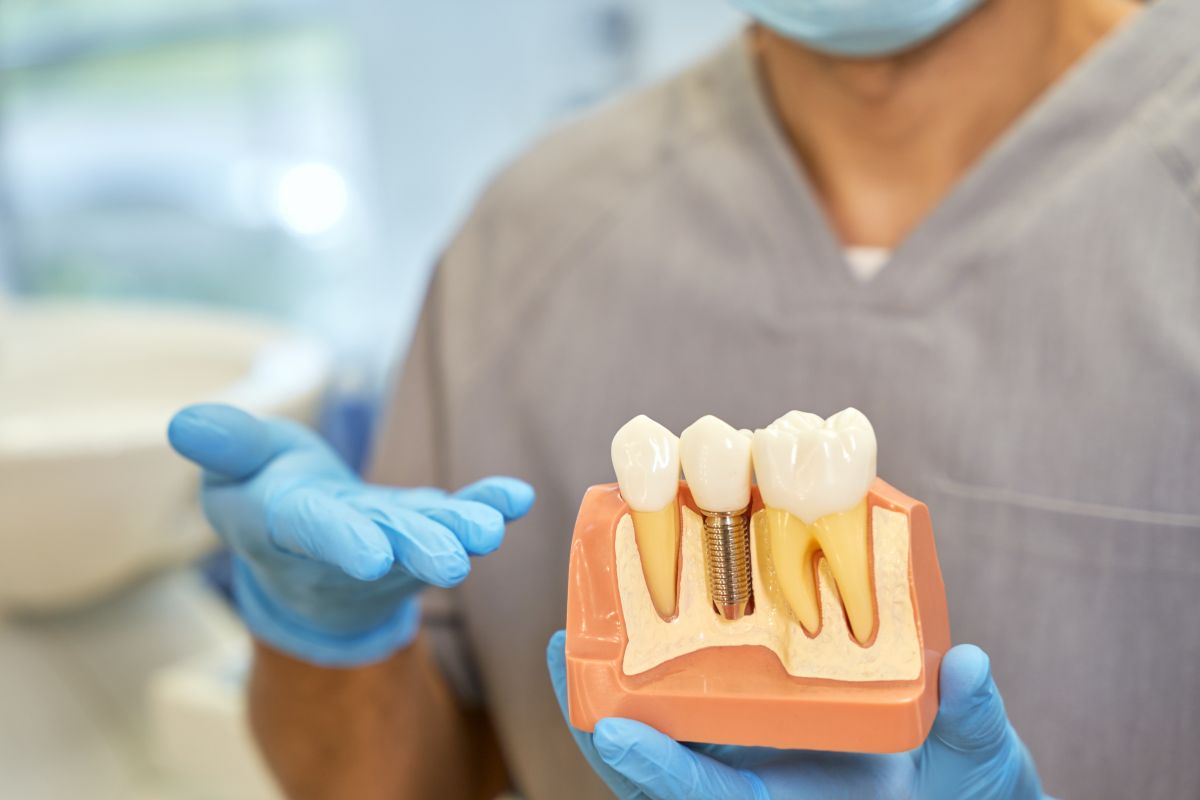
Dental implants are titanium posts surgically placed into the jawbone. They act as artificial tooth roots. A crown is then attached on top, creating a result that looks and feels natural.
Dentures are removable appliances that replace one or more missing teeth. Full dentures replace an entire arch. Partial dentures fill in gaps when some natural teeth remain.
Bridges use neighboring teeth as anchors to span a gap. They are fixed in place and do not require surgery. However, they do require reshaping the healthy teeth on either side.
Dental Implants vs. Dentures: Key Differences That Matter to You
Understanding the differences helps you choose the right solution. Here is a side-by-side look at what sets these options apart:
- Stability: Implants are fixed permanently. Dentures can shift or slip during eating and speaking.
- Bone health: Implants stimulate the jawbone, preventing bone loss. Dentures and bridges do not offer this benefit.
- Maintenance: Implants are cleaned just like natural teeth. Dentures require nightly removal and soaking.
- Longevity: Implants can last a lifetime with proper Dental Home Care. Dentures typically need replacement every 5 to 10 years.
- Feel: Implants feel like natural teeth. Many denture wearers report reduced sensation while chewing.
- Procedure time: Implants require a surgical process over several months. Dentures can be fitted more quickly.
These differences are significant. Your daily habits, health history, and goals all influence which option makes the most sense for you.
Who Is a Good Candidate for Dental Implants in Cincinnati?
Dental implants work best for patients with a strong, healthy jawbone. You also need healthy gums free from active periodontal disease. Good overall health supports successful healing after the implant procedure.
Patients who smoke or have certain medical conditions may face a higher risk of implant failure. Dr. Kejriwal will review your full health history before recommending implants. A thorough evaluation using advanced Dental Technology helps ensure the most accurate treatment planning.
Age matters less than bone density and health. Many patients in their 60s and 70s receive implants successfully. The key is a thorough clinical assessment first.
If bone loss has already occurred, bone grafting may be needed before implant placement. This adds time to the process but expands eligibility for more patients.
When Dentures or Bridges Might Be the Better Fit
Dentures and bridges are not inferior choices. For many Cincinnati patients, they are the right choice. Here are situations where these options make more sense:
- You need to replace many teeth across a full arch quickly.
- Significant bone loss makes implants difficult without extensive grafting.
- You prefer a non-surgical approach to tooth replacement.
- A bridge is ideal when only one or two teeth are missing and neighboring teeth are already crowned.
- You want a faster treatment timeline with fewer appointments.
Modern dentures have improved significantly. They fit better, look more natural, and are more comfortable than older designs. Implant-supported dentures also offer a middle ground — they snap onto implants for better stability without full individual implant placement.
Bridges remain a reliable and time-tested solution. They restore chewing ability and prevent neighboring teeth from drifting. The main trade-off is altering adjacent healthy teeth to support the bridge.
Comparing Long-Term Value: Implants vs. Dentures vs. Bridges
Cost is often the first factor patients consider. Implants typically have a higher upfront investment than dentures or bridges. However, their long-term value changes the equation significantly.
Dentures require relining, adjustments, and eventual replacement. These ongoing costs add up over time. Implants, when cared for properly, rarely need replacement once fully integrated.
Bridges last around 10 to 15 years on average. Replacing them also means preparing the adjacent anchor teeth again. This repeated work can take a toll over decades.
When Cincinnati patients think in 10- or 20-year terms, implants often prove to be the most cost-effective solution. The quality-of-life benefits — eating freely, speaking clearly, smiling confidently — also carry real personal value.
Making the Right Decision With Dr. Kejriwal’s Guidance
No single tooth replacement option is right for everyone. Your oral health history, bone density, lifestyle, and goals all play a role. Dr. Manju R. Kejriwal takes time to understand each patient’s unique situation before making any recommendation.
During your consultation at MK Dental Excellence, you will receive a detailed evaluation. Dr. Kejriwal will walk you through the pros and cons of each option as they apply specifically to you. You will never feel rushed or pressured into a decision.
Cincinnati patients deserve clear, honest information. The goal is always to help you make the choice that improves your quality of life for years to come.
Ready to take the next step toward a healthier, more confident smile? Book Now to schedule your appointment with our team.
Frequently Asked Questions
How long do dental implants last compared to dentures?
Dental implants can last a lifetime with proper care and regular dental checkups. Dentures typically need to be replaced every 5 to 10 years as the shape of your jaw changes over time.
Are dental implants painful to get?
Most patients report that the procedure is more comfortable than they expected. Local anesthesia is used during placement. Some soreness and swelling are normal in the days following surgery, but these are manageable with over-the-counter medication.
Can I get dental implants if I already wear dentures?
Yes, in many cases. Implant-supported dentures are a popular option for existing denture wearers. Dr. Kejriwal will evaluate your jawbone health to determine whether implants are a viable path for you.
What happens to my jawbone if I choose dentures instead of implants?
Without the stimulation that a tooth root provides, the jawbone gradually shrinks over time. This bone loss can change your facial appearance and affect how well your dentures fit. Dental implants prevent this by acting as artificial roots in the bone.
How do I know which option is right for my situation in Cincinnati?
The best way to find out is through a personalized consultation with Dr. Kejriwal at MK Dental Excellence. She will review your dental health, discuss your goals, and recommend the option that best fits your life and long-term oral health.