INVISALIGN $1000 OFF Summer Special. Learn More



If you’ve ever lost a tooth, you know how much it can affect everyday life, from eating and speaking to smiling with confidence. Many people assume that no replacement could ever feel as natural as the original tooth. Surprisingly, patients often report the opposite: dental implants frequently feel even more natural than their original teeth. Modern dental implants provide exceptional comfort, reliable function, and long-lasting stability — making them a preferred choice for patients seeking durable tooth replacement solutions.
What Makes Dental Implants Feel So Natural?
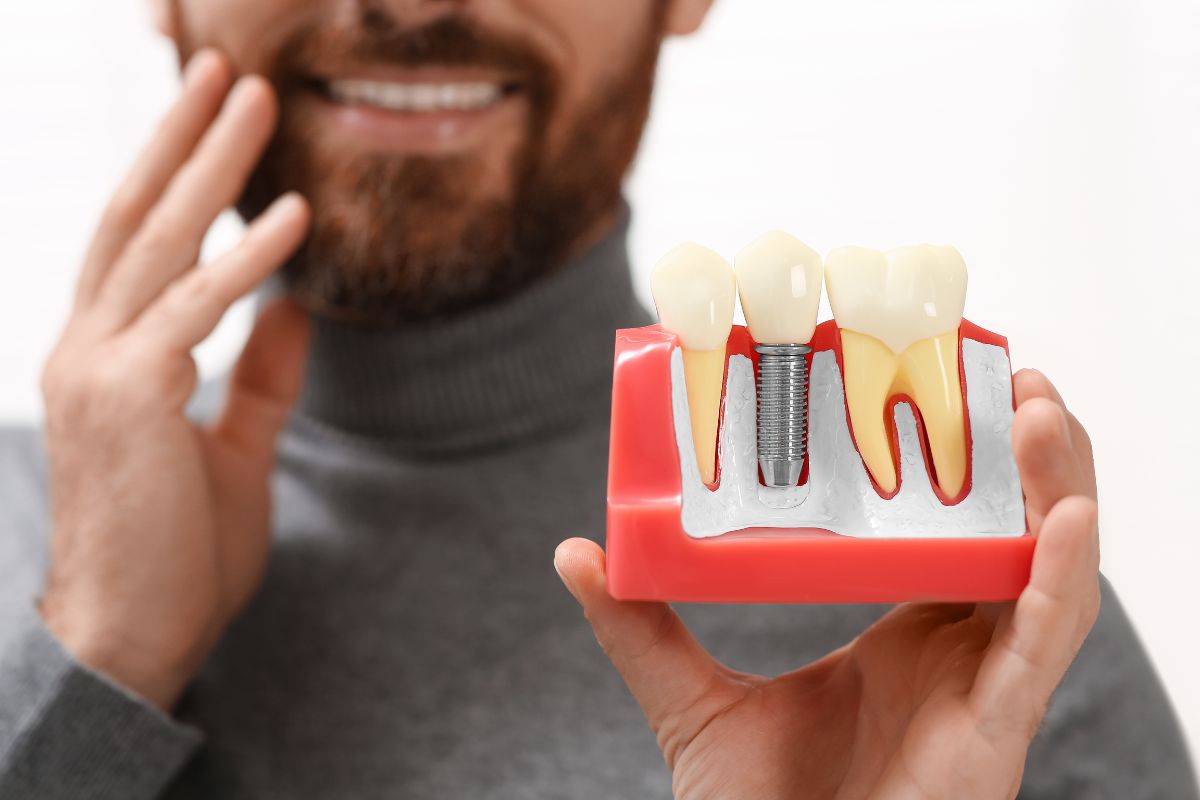
Implants are designed to mimic the structure of a natural tooth — from root to crown. Unlike removable dentures or bridges, implants replace both the visible tooth and its underlying root.
This unique design allows implants to:
- Integrate directly with the jawbone
- Provide unmatched stability
- Restore natural biting pressure
- Maintain bone health
- Prevent shifting of nearby teeth
As a result, many patients say implants feel just like their real teeth — or even better.
How Implants Work Inside Your Mouth
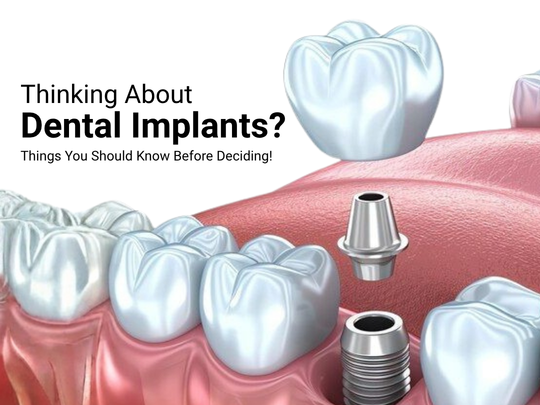
An implanted tooth consists of three parts:
- Titanium implant post — surgically placed in the jawbone
- Abutment — connects the post to the crown
- Custom crown — looks and functions like a natural tooth
Over time, the implant post fuses with the bone through a process called osseointegration, creating a stable foundation that closely resembles a natural tooth root.
This fusion is what gives implants their superior comfort and strength.
Why Implants Often Feel Better Than Natural Teeth
It may sound surprising, but there are several reasons why implants sometimes feel more comfortable than original teeth.
1. No Nerve Sensitivity
Natural teeth contain nerves, making them sensitive to temperature, pressure, and decay. Implants, however, do not have nerve endings. This means:
- No toothaches
- No sensitivity to hot or cold
- No nerve-related discomfort
Many patients describe this as a major upgrade in comfort.
2. Stronger Bite Stability
Implants are anchored directly into the jawbone, giving them remarkable strength. Unlike removable options, implants do not shift or slip.
This allows patients to:
- Eat comfortably
- Chew tougher foods
- Speak confidently
- Smile freely
The solid foundation closely mimics — and sometimes exceeds — the performance of natural teeth.
Also Read: What Can I Eat After Dental Implant Surgery?
3. Improved Jawbone Support
When a tooth is lost, the jawbone begins to shrink over time. This missing tooth replacement procedure stimulates bone growth, preserving facial structure and maintaining natural contours.
This leads to:
- A more youthful appearance
- Better facial balance
- Long-term oral stability
Patients looking for advanced tooth replacement solutions often choose dental implants for their reliability, natural feel, and long-term durability.
4. Seamless Appearance and Feel
Custom-designed crowns match your surrounding teeth in color, shape, and size. Once placed, most people cannot distinguish implants from natural teeth, including the patient themselves.
The result is a smile that looks, feels, and functions naturally.
Common Reasons Cincinnati Patients Choose Dental Implants
Local patients often select implants to replace:
- Missing teeth
- Failing bridges
- Loose dentures
- Broken teeth
- Teeth damaged by trauma
Advancements in the implants technology now allow for faster treatment timelines and same-day solutions in many cases.
Why Local Implant Expertise Matters
Choosing the right implant provider ensures ongoing support, convenience, and continuity of care. We provide personalized treatment plans tailored to your lifestyle, health history, and aesthetic goals.
Led by Dr. Manju Kejriwal, our expert team combines advanced imaging, precision planning, and modern surgical techniques to deliver natural-looking, long-lasting implant results. Call now to speak with our team and schedule your consultation to restore your smile with confidence.
Their approach focuses on:
- Conservative treatment
- Comfort-centered care
- Long-term oral stability
- Natural smile aesthetics
How Implants Improve Quality of Life
Beyond restoring your smile, these artificial tooth roots can significantly improve daily comfort and confidence.
Patients often report:
- Easier chewing
- Clearer speech
- Improved digestion
- Higher self-confidence
- Better social interactions
For many, implants restore not only teeth but also quality of life.
How to Care for Implants
Maintaining your implanted tooth is simple and similar to caring for natural teeth:
- Brush twice daily
- Floss consistently
- Schedule regular dental visits
- Avoid smoking
- Maintain good oral hygiene habits
With proper care, these artificial tooth roots can last for decades.
Final Thoughts
Implants offer unmatched comfort, stability, and natural appearance. By replacing both the tooth and its root, implants restore function in a way no other solution can match. For Cincinnati patients seeking lasting tooth replacement, implants provide a reliable path toward confidence, comfort, and long-term oral health. Book your appointment online today to find out personalized implant options with trusted local care.
Frequently Asked Questions (FAQs)
Do dental implants feel natural?
Most patients report that implants feel remarkably similar to their natural teeth, with many even finding them more comfortable. This positive experience highlights the effectiveness of implants in restoring both function and confidence.
How long do dental implants last?
With proper care and maintenance, dental implants have the potential to last for over 20 years, and in some cases, even a lifetime. This long-lasting durability makes them a reliable and cost-effective solution for tooth replacement.
Is implant surgery painful?
Modern techniques and anesthesia ensure the procedure is comfortable and causes minimal downtime. Advances in medical technology have significantly improved patient experience, allowing for safer, more efficient treatments with quicker recovery times.
Who is a good candidate for dental implants?
Most healthy adults with sufficient jawbone density are suitable candidates. A consultation will assess individual eligibility and help determine the appropriate course of action.
How soon can I eat normally after getting implants?
Many patients resume normal eating within a few days, though the exact timeframe depends on the specific treatment received. Typically, the recovery period is short, allowing individuals to return to their usual routines relatively quickly.