INVISALIGN $1000 OFF Summer Special. Learn More




Many Kenwood residents brush twice a day and still hear the same news at their dental visit — tartar buildup. If you’ve ever wondered why your toothbrush can’t remove tartar, you’re not alone. Understanding why tartar forms, and why professional help is essential, can protect your smile for years. This article explains exactly what your toothbrush can’t do — and what only a dental professional can accomplish.
What Is Tartar and How Does It Form?
Tartar, also called calculus, is hardened dental plaque. Plaque is a sticky film of bacteria that forms on your teeth every day. When plaque isn’t fully removed by brushing or flossing, it absorbs minerals from your saliva. Over time, it hardens into a cement-like substance called tartar.
This process can happen in as little as 24 to 72 hours. Once tartar forms, no toothbrush — no matter how advanced — can break it apart. It bonds tightly to tooth enamel and even below the gumline. Removing it requires specialized dental tools and professional training.
Good Dental Home Care habits are essential for slowing plaque buildup. But even the most diligent brushing routine won’t fully prevent tartar over time. That’s the key distinction every Kenwood patient should understand.
Why Your Toothbrush Can’t Remove Tartar in Kenwood
A toothbrush works well on soft plaque. Its bristles can disrupt the bacterial film before it mineralizes. However, once tartar hardens, brushing simply slides across its rough surface without removing it.
Tartar is porous and rough. This texture actually traps more bacteria, making the problem worse over time. The longer tartar sits on a tooth, the more difficult it becomes to remove. It also creates a perfect environment for gum disease to develop.
Here are the key reasons your toothbrush falls short against tartar:
- Toothbrush bristles lack the hardness to chip away calcified deposits
- Tartar often forms below the gumline, where brushing cannot reach
- Tartar adheres to enamel through a mineral bond that brushing cannot break
- Rough tartar surfaces attract and hold more bacteria over time
- Even electric toothbrushes cannot penetrate interproximal tartar between teeth
This is why why your toothbrush can’t remove tartar is such an important concept for Kenwood patients to understand. It isn’t about brushing harder — it’s about the chemistry of calcification.
What a Professional Cleaning Actually Removes
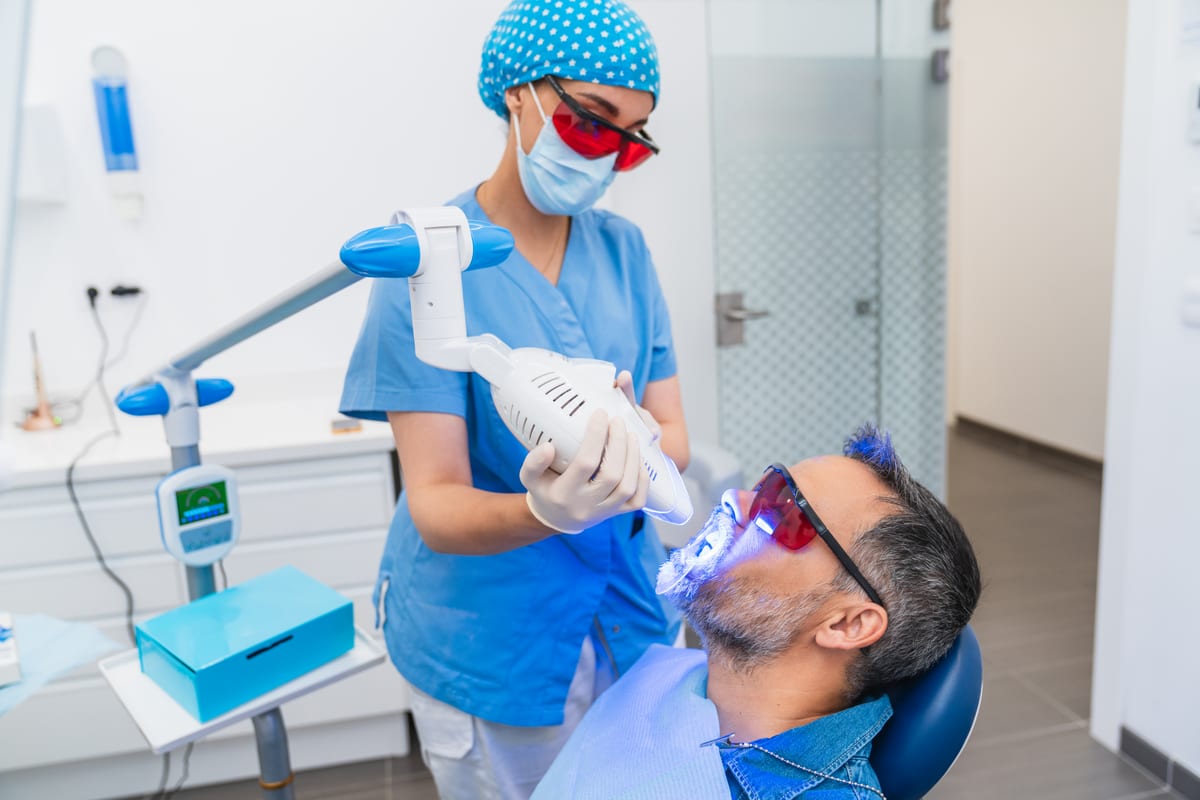
A professional dental cleaning goes far beyond what any home routine can achieve. At MK Dental Excellence, Dr. Manju R. Kejriwal and the hygiene team use specialized instruments to remove tartar safely and thoroughly. This process is called scaling.
Scaling involves the use of both hand scalers and ultrasonic devices. Ultrasonic scalers use vibrations to break apart tartar deposits. Hand scalers then carefully remove remaining buildup, especially around the gumline. Together, these tools accomplish what no toothbrush ever could.
Here is what gets removed during a professional cleaning that home care cannot address:
- Supragingival calculus — tartar above the gumline on tooth surfaces
- Subgingival calculus — tartar below the gumline inside gum pockets
- Staining embedded within tartar deposits
- Bacterial biofilm that has hardened over several months
- Rough mineral deposits that irritate gum tissue
After scaling, the hygienist polishes the tooth surfaces. This removes surface stains and creates a smoother surface. A smoother surface makes it harder for new plaque to stick as quickly. The result is cleaner teeth and healthier gum tissue.
The Health Risks of Skipping Professional Cleanings
Tartar buildup is not just a cosmetic concern. It is a direct pathway to serious oral health problems. When tartar accumulates along and below the gumline, it triggers chronic inflammation. That inflammation is the beginning of gum disease.
Gingivitis is the earliest stage of gum disease. Signs include red, swollen, or bleeding gums. Many Kenwood patients dismiss this bleeding as normal — but it isn’t. Gingivitis is your body signaling that tartar-driven bacteria are damaging the gum tissue.
Left untreated, gingivitis progresses to periodontitis. This advanced gum disease destroys the bone and tissue that support your teeth. Tooth loss becomes a real risk at this stage. Research also links periodontitis to systemic conditions like heart disease and diabetes.
Regular professional cleanings every six months interrupt this cycle. They remove the tartar that drives inflammation before serious damage occurs. For patients with active gum disease, more frequent cleanings may be recommended.
How Modern Dental Technology Makes Cleanings More Effective
Professional cleanings today are more comfortable and thorough than ever before. Dental Technology plays a major role in detecting and removing tartar that might otherwise be missed. Digital X-rays reveal subgingival deposits invisible to the naked eye. This allows the hygienist to clean areas that older methods would have missed entirely.
Ultrasonic scalers have also transformed the cleaning experience. They use controlled vibrations and water irrigation to break apart tartar gently. Many patients find this more comfortable than traditional hand scaling alone. The water flow simultaneously flushes bacteria from deep gum pockets.
At MK Dental Excellence, modern tools ensure that every professional cleaning is as complete as possible. This combination of advanced equipment and skilled clinicians makes a meaningful difference for Kenwood patients. Your cleaning appointment addresses what months of diligent brushing simply cannot reach.
Building a Smarter Oral Health Routine
Professional cleanings and home care are not competing priorities — they work together. Brushing twice daily and flossing once daily slow plaque formation significantly. This makes your professional cleaning faster and more comfortable. Good home habits also extend the protective benefits of each professional visit.
Dr. Kejriwal recommends a routine that combines consistent home care with professional cleanings every six months. For patients prone to heavy tartar buildup, more frequent visits may be appropriate. Everyone’s oral environment is unique, and your care schedule should reflect that.
Understanding why your toothbrush can’t remove tartar is the first step toward better long-term oral health. The second step is acting on that knowledge by scheduling regular visits with a trusted dental team.
Conclusion
Tartar is a natural but serious consequence of everyday bacterial activity in your mouth. No toothbrush — no matter how advanced — can remove it once it hardens. Kenwood patients who understand this distinction make smarter choices about their oral health. Professional cleanings at MK Dental Excellence give your smile the complete care it deserves. Book Now to schedule your appointment with our team.
Frequently Asked Questions
How quickly does plaque turn into tartar?
Plaque can begin mineralizing into tartar in as little as 24 to 72 hours. The exact timeline varies depending on individual saliva chemistry and oral hygiene habits. This is why daily brushing and flossing are critical — they disrupt plaque before it hardens. Once tartar forms, only a dental professional can safely remove it.
Can tartar removal hurt?
Most patients experience little to no discomfort during a routine professional cleaning. Patients with heavy tartar buildup or sensitive gums may feel mild pressure or sensitivity during scaling. Dr. Kejriwal’s team takes care to make every visit as comfortable as possible. Staying current with six-month cleanings keeps tartar minimal and appointments more comfortable over time.
Does tartar only form on the visible parts of teeth?
No — tartar forms both above and below the gumline. Subgingival tartar, which forms inside gum pockets, is especially harmful because it drives gum disease. It is also invisible without a dental examination. Professional cleaning addresses both types, which is something no home routine can fully accomplish.
How can I slow down tartar buildup between visits?
Brushing twice daily with a fluoride toothpaste and flossing once daily are the most effective strategies. Using an antiseptic mouthwash can also reduce the bacterial load in your mouth. Drinking plenty of water throughout the day helps rinse away food particles and bacteria. These habits support your professional cleanings but cannot replace them.
How often should Kenwood patients get a professional cleaning?
Most patients benefit from a professional cleaning every six months. However, some individuals build tartar more rapidly due to genetics, diet, or certain medications. Patients with a history of gum disease may need cleanings every three to four months. Dr. Kejriwal will recommend the right schedule based on your specific oral health needs.