INVISALIGN $1000 OFF Summer Special. Learn More



If you’ve been wondering what actually happens during your dental implant procedure in Rossmoyne, you’re not alone. Many patients feel anxious simply because the process feels unknown. Understanding each step can completely change how you feel walking into the office. At MK Dental Excellence, Dr. Manju R. Kejriwal guides every patient through this journey with clarity and care.
Dental implants are one of the most effective long-term solutions for missing teeth. They function, look, and feel like natural teeth. But the process involves several stages spread across a few months. Knowing what to expect at each stage removes the guesswork entirely.
Step One: Your Rossmoyne Dental Implant Consultation and Treatment Planning
Everything begins with a thorough consultation. Dr. Kejriwal will examine your mouth, jaw, and overall oral health in detail. This includes digital X-rays and 3D imaging using advanced Dental Technology to assess bone density and structure. These images help create a precise, personalized treatment plan just for you.
During this visit, you’ll discuss your medical history and any current medications. Dr. Kejriwal will evaluate whether you have enough bone to support an implant. If bone loss is present, a bone graft may be recommended first. You’ll also talk through your goals, timeline, and what the full process involves.
This consultation is also your opportunity to ask questions. No concern is too small to address. Patients in Rossmoyne leave this first visit feeling informed and confident. You’ll know exactly what lies ahead before any procedure begins.
The Implant Placement Procedure: What Actually Happens in the Chair
On the day of your implant surgery, the area is thoroughly numbed with local anesthetic. Most patients report feeling pressure but little to no pain during placement. Sedation options are also available if you feel anxious about the procedure. Dr. Kejriwal prioritizes your comfort every step of the way.
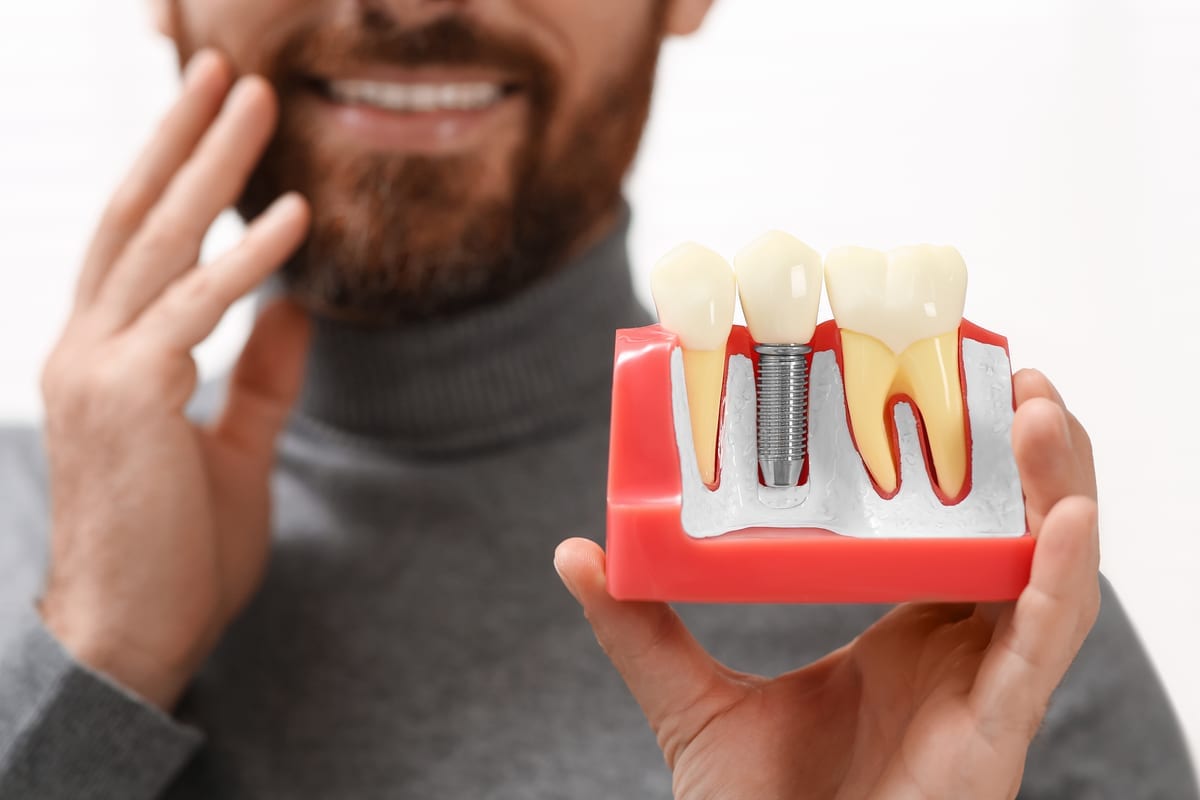
A small incision is made in the gum tissue to expose the jawbone. A precision drill creates a small channel in the bone where the titanium post will sit. The implant post is then carefully inserted into this channel. The gum is sutured closed around or over the implant to begin healing.
Here is a quick overview of what happens during implant placement:
- Local anesthetic is applied to numb the surgical area
- A small incision exposes the underlying jawbone
- A precision channel is drilled into the bone
- The titanium implant post is secured into place
- Gum tissue is sutured closed to protect the implant
The entire surgical appointment typically takes one to two hours. You’ll receive detailed aftercare instructions before leaving. Most patients return to light daily activities the following day. Swelling and mild discomfort are normal and usually resolve within a few days.
Osseointegration: The Healing Phase That Makes Implants Work
After placement, a critical biological process called osseointegration begins. This is when the jawbone gradually fuses with the titanium post over several months. This bond is what makes dental implants so durable and stable long-term. It’s essentially your body accepting the implant as part of itself.
This healing phase typically takes three to six months. During this time, you’ll have follow-up visits to monitor progress. Dr. Kejriwal will check that the implant is integrating properly at each appointment. You’ll continue eating, speaking, and functioning normally throughout this period.
Caring for your oral health during healing is essential. Good Dental Home Care habits protect the implant site and support healthy gum tissue. Gentle brushing, rinsing with prescribed solutions, and avoiding hard foods helps healing. Following these instructions closely leads to the best possible outcomes.
Some patients receive a temporary restoration during this healing period. This keeps your smile looking complete while the implant bonds with the bone. Your team will advise you on what’s appropriate for your specific situation. Patience during this phase pays off significantly in the final result.
Placing the Abutment and Final Crown: Completing Your New Smile
Once osseointegration is confirmed, the next phase begins. A small connector piece called an abutment is attached to the top of the implant post. This piece serves as the anchor point for your final crown. In some cases, the abutment is placed during the original surgery.
Impressions or digital scans of your teeth are taken at this stage. These precise measurements are sent to a dental lab to fabricate your custom crown. The crown is designed to match the shape, size, and color of your natural teeth. This ensures your implant blends seamlessly with your smile.
Benefits of completing your implant with a custom crown include:
- Natural-looking appearance that matches surrounding teeth
- Restored chewing function and bite strength
- Protection for the implant post and abutment
- Long-lasting results with proper care
- Improved confidence when speaking and smiling
When the crown is ready, it’s attached securely to the abutment. Dr. Kejriwal will check your bite and make any necessary adjustments. Most patients are amazed by how natural their new tooth looks and feels. This final appointment marks the completion of your implant journey.
Life After Your Dental Implant in Rossmoyne
Once your implant is fully placed and healed, it functions just like a natural tooth. You can eat, speak, and smile with complete confidence. Routine dental visits and consistent home care keep your implant healthy for decades. With proper maintenance, implants are designed to last a lifetime.
Dr. Kejriwal and the team at MK Dental Excellence remain your partners in long-term implant success. Regular cleanings and check-ups catch any concerns early. Your implant will be examined at every visit to ensure it remains stable. Rossmoyne patients can count on ongoing support from our caring team.
Understanding what actually happens during your dental implant procedure in Rossmoyne removes fear and builds real confidence. You’re now equipped with the knowledge to move forward. Our team is here to answer every remaining question you have. Book Now to schedule your appointment with our team.
Frequently Asked Questions
How long does the entire dental implant process take in Rossmoyne?
The complete process typically takes between three and nine months from consultation to final crown placement. The longest phase is osseointegration, where the implant fuses with your jawbone. Your individual timeline depends on healing speed and whether preparatory procedures like bone grafting are needed. Dr. Kejriwal will provide a personalized estimate during your consultation.
Is the dental implant procedure painful?
Most patients are surprised by how manageable the procedure feels. Local anesthetic is used to numb the surgical area completely before any work begins. You may feel pressure during placement, but sharp pain is rarely reported. Post-procedure discomfort is typically mild and managed effectively with over-the-counter pain relievers.
Am I a good candidate for dental implants?
Most adults with missing teeth and good general health are candidates for dental implants. Adequate bone density in the jaw is an important factor for successful placement. Conditions like uncontrolled diabetes or active gum disease may need to be addressed first. Dr. Kejriwal will assess your full oral and medical health during your consultation.
What happens if I don’t have enough bone for an implant?
If your jawbone has insufficient density or volume, a bone graft procedure may be recommended. This adds bone material to the area to build a strong foundation for the implant. After grafting, a healing period of several months is typically required before implant placement. Dr. Kejriwal will explain whether grafting applies to your situation during your evaluation.
How do I care for my dental implant after the procedure?
Caring for an implant is similar to caring for natural teeth. Brush twice daily, floss regularly, and attend routine dental cleanings every six months. Avoid chewing on very hard items like ice or hard candy that could stress the crown. Good daily habits and consistent professional care keep your implant healthy and functional for years to come.