INVISALIGN $1000 OFF Summer Special. Learn More



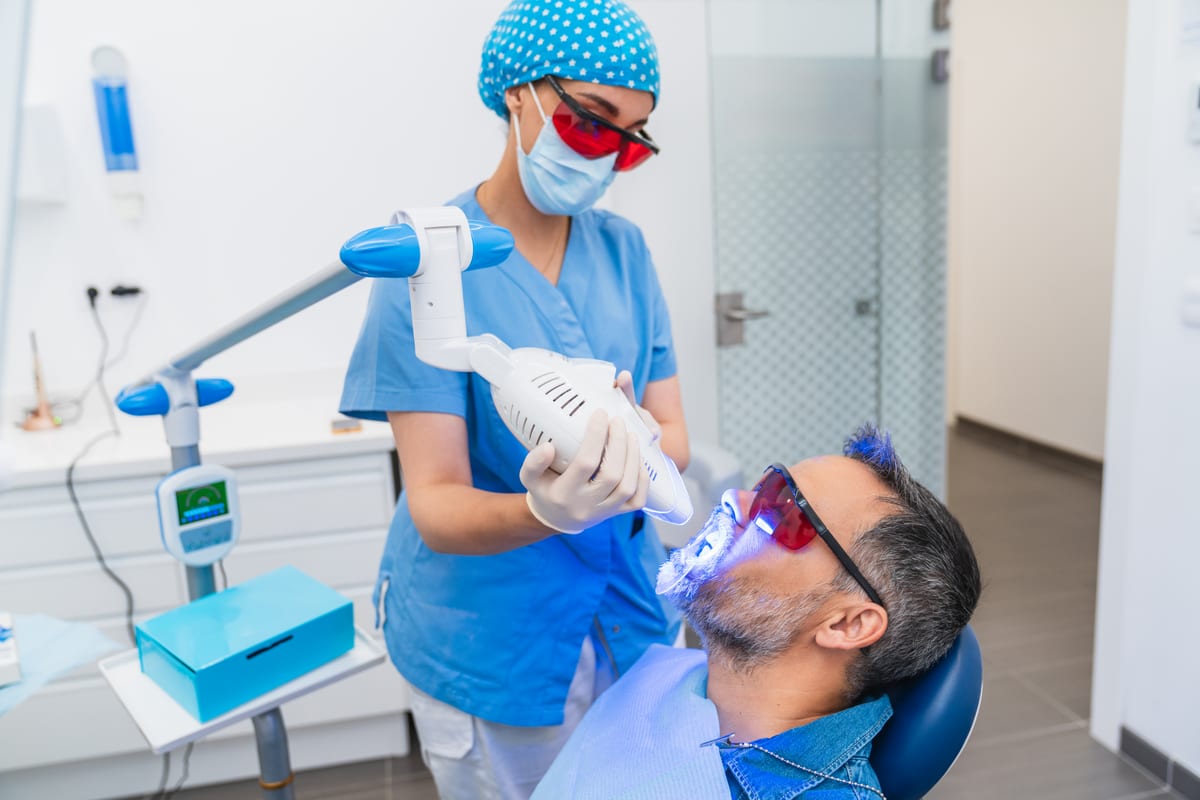
If you have searched for teeth whitening in Montgomery, you have probably wondered whether it will actually work for you. Not every smile responds to whitening the same way. Understanding your candidacy before starting treatment saves time, money, and disappointment. This guide from Dr. Manju R. Kejriwal at MK Dental Excellence helps you self-screen so you can walk into your appointment informed and ready.
Why Whitening Results Vary So Much
Teeth whitening works by using a peroxide-based gel to break apart surface stain molecules. It targets the enamel and the layer just beneath it. However, results depend heavily on the type and source of your staining. Not all discoloration responds to bleaching agents the same way.
There are two main categories of tooth staining: extrinsic and intrinsic. Extrinsic stains sit on the surface of your enamel. Intrinsic stains live inside the tooth structure itself. Whitening treatments are designed to address extrinsic stains most effectively.
Extrinsic stains come from everyday sources like coffee, tea, red wine, and tobacco. These stains are typically the best candidates for whitening. Intrinsic stains, on the other hand, require different treatment approaches entirely. Knowing which type you have is the first step in this candidacy guide for patients in Montgomery.
Who Gets the Best Whitening Results in Montgomery
Ideal whitening candidates share a few key traits. First, their teeth are structurally healthy with no untreated cavities or gum disease. Second, their staining is mostly extrinsic and caused by food, drink, or aging. Third, their enamel is reasonably thick and not overly worn or eroded.
Patients who practice consistent Dental Home Care typically see better whitening results. Clean, plaque-free enamel absorbs the whitening gel more evenly. This leads to a brighter, more uniform outcome. If you brush and floss daily, you are already ahead.
- Surface stains from coffee, tea, or red wine
- Yellowish discoloration from natural aging
- Overall healthy gums and enamel
- No active cavities or periodontal disease
- Realistic expectations about shade improvement
Younger patients with thicker enamel often respond faster. Older patients can still whiten successfully, but may need longer treatment time. A professional evaluation at MK Dental Excellence confirms whether you are a strong candidate before you invest in whitening.
Who Should Be Cautious About Whitening — A Candidacy Guide for Montgomery Patients
Some patients are poor candidates for traditional whitening. Understanding these situations prevents frustration and helps you find the right alternative. The most common limiting factors involve intrinsic staining, dental restorations, and certain medications.
Intrinsic staining goes deeper than bleaching gel can reach. It may result from childhood exposure to tetracycline antibiotics. High fluoride intake during tooth development can also cause intrinsic discoloration. These cases require cosmetic solutions beyond standard whitening.
Patients with existing dental restorations face a different challenge. Whitening gel does not change the color of crowns, veneers, or bonding material. If you have a visible dental crown or bonded restoration on a front tooth, whitening the surrounding teeth may create a mismatch. This is a critical point many patients overlook.
- Tetracycline or antibiotic-induced staining inside the tooth
- Fluorosis causing white spots or brown banding
- Crowns, veneers, or composite bonding on visible teeth
- Severe enamel erosion or sensitivity
- Pregnancy or nursing status
Patients with sensitive teeth should also proceed carefully. Whitening can temporarily intensify sensitivity. Dr. Kejriwal can recommend desensitizing protocols to make the process more comfortable for qualifying patients.
When Veneers or Crowns May Be the Better Choice
If whitening will not address your specific type of discoloration, do not worry. Several cosmetic alternatives can achieve a dramatically brighter smile. The right option depends on the nature of your staining and your overall smile goals.
Dental veneers are thin porcelain shells bonded to the front surface of teeth. They cover intrinsic stains completely and can be customized to your ideal shade. Veneers also address chips, minor gaps, and uneven tooth edges simultaneously. They are a versatile solution for complex smile concerns.
Dental crowns serve a similar masking function when a tooth also needs structural reinforcement. If a tooth has extensive decay or damage alongside severe discoloration, a crown solves both problems at once. Your dentist will recommend the most conservative option appropriate for your situation.
Modern Dental Technology at MK Dental Excellence allows us to precisely shade-match veneers and crowns to complement your natural teeth. This ensures a seamless, natural-looking result even when combining multiple treatments. Every plan is tailored to your unique anatomy and aesthetic goals.
How to Prepare for Your Whitening Consultation
Coming to your consultation prepared makes a big difference. The more information you share, the more accurately Dr. Kejriwal can assess your candidacy. Think about your dental history and the possible causes of your discoloration before your visit.
Consider these questions ahead of your appointment:
- Did you take tetracycline antibiotics as a child?
- Do you have any existing crowns, veneers, or bonding on front teeth?
- Do you experience tooth sensitivity with cold foods or drinks?
- How long have you had this discoloration?
- What shade result are you hoping to achieve?
Your dentist will also perform a clinical examination. This includes checking enamel thickness, gum health, and the presence of any restorations. Photographs and shade mapping may also be part of the process. All of this data shapes a personalized whitening plan.
Patients in the Montgomery area can trust that MK Dental Excellence takes a thorough, evidence-based approach. We never rush the candidacy process. Getting it right the first time leads to better results and happier patients.
Taking the Next Step Toward a Brighter Smile
Understanding your whitening candidacy is empowering. It helps you make smart, informed decisions rather than guessing or trying over-the-counter products that may not work for your tooth type. Whether whitening, veneers, or another approach is right for you, the answer starts with a professional evaluation.
Dr. Manju R. Kejriwal and the team at MK Dental Excellence in Cincinnati are here to guide Montgomery patients through every step. We believe patient education leads to better outcomes. You deserve a clear explanation of what will and will not work for your smile. Book Now to schedule your appointment with our team.
Frequently Asked Questions
Can whitening fix all types of tooth discoloration?
No. Whitening works best on extrinsic stains caused by food, drinks, and aging. Intrinsic stains from medications like tetracycline or from fluorosis do not typically respond to bleaching. Veneers or crowns are usually better options for those cases.
Will whitening work if I have dental crowns on my front teeth?
Whitening gel does not change the color of crowns, veneers, or composite bonding. If you whiten your natural teeth, a color mismatch with your existing restorations may appear. Dr. Kejriwal will evaluate your specific situation and recommend the most harmonious approach.
How long do professional whitening results last?
Results typically last between one and three years depending on your habits. Avoiding staining foods, not smoking, and maintaining consistent home care extends your results. Periodic touch-up treatments can also help maintain your preferred shade over time.
Is teeth whitening safe for sensitive teeth?
Many patients with sensitivity can still whiten safely with proper precautions. Desensitizing toothpaste before treatment and lower-concentration gels can reduce discomfort. Always disclose your sensitivity to Dr. Kejriwal so she can customize your treatment protocol appropriately.
What is the difference between in-office whitening and at-home whitening kits?
In-office whitening uses stronger professional-grade gel and delivers faster, more dramatic results in a single visit. At-home kits prescribed by your dentist use custom trays for gradual whitening over several weeks. Over-the-counter kits use lower-concentration formulas and typically produce more modest results.