INVISALIGN $1000 OFF Summer Special. Learn More



You invested in a brighter smile — and it looked amazing at first. But a few months later, you noticed the shine starting to slip away. Understanding why your whitening results fade and how to make them last in Montgomery is the key to protecting that investment. At MK Dental Excellence, Dr. Manju R. Kejriwal helps patients keep their smiles brilliant long after treatment ends.
How Long Do Whitening Results Actually Last?
Most professional whitening results last between six months and two years. That wide range depends on your lifestyle, habits, and how well you maintain your teeth. Patients who follow a consistent care routine often stay closer to the two-year mark. Those who skip maintenance steps tend to notice fading within just a few months.
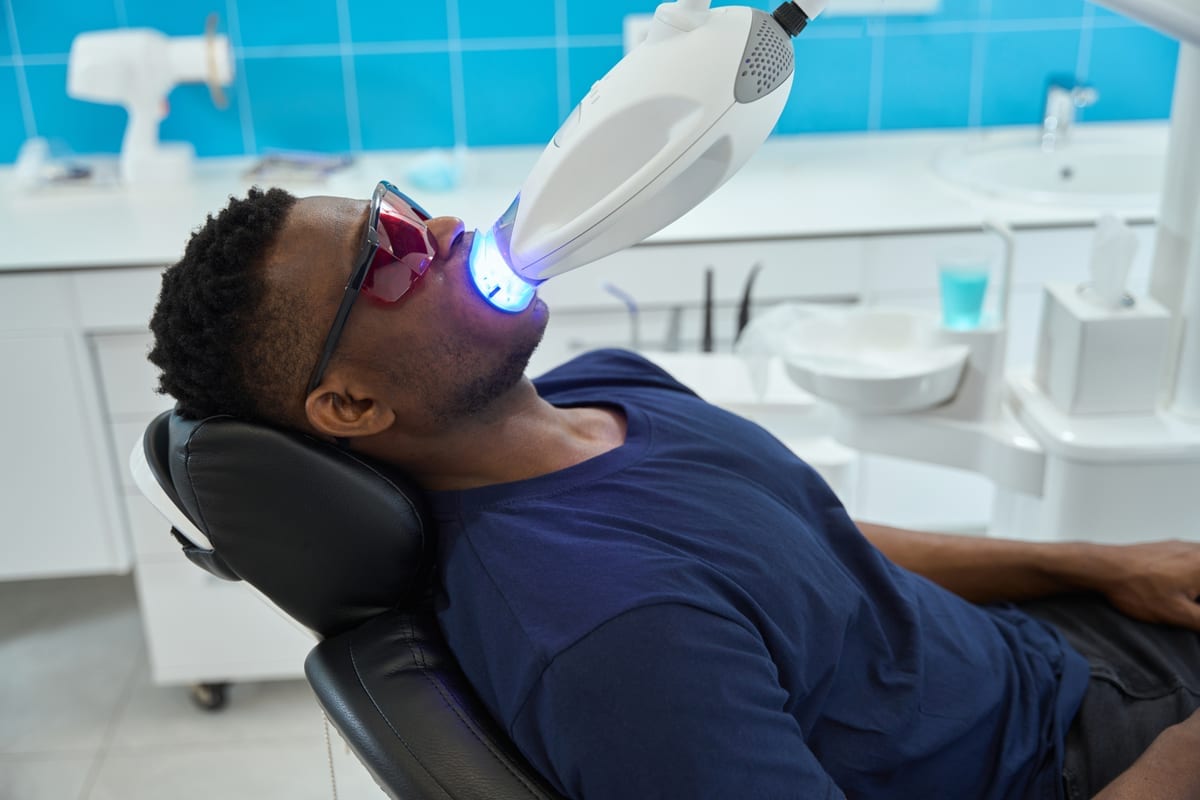
In-office whitening treatments use stronger agents than over-the-counter kits. That means deeper, longer-lasting results from the start. However, no whitening treatment is permanent — your enamel is porous and continues to absorb stains over time. The goal is to slow that process down as much as possible.
Your Dental Home Care routine plays a huge role in how long your results last. Brushing twice daily, flossing, and using whitening toothpaste all support your results. Skipping these steps speeds up staining significantly.
The Biggest Culprits That Fade Your Whitening Results in Montgomery
Certain foods and beverages are notorious for dulling whitened teeth. The most common offenders include coffee, red wine, tea, and dark sodas. These liquids contain chromogens — pigmented compounds that bind to tooth enamel. Even one daily cup of coffee can gradually re-stain your teeth over weeks.
Smoking and tobacco use are among the worst things for whitening longevity. Nicotine and tar create deep yellow and brown stains that penetrate enamel quickly. Patients who smoke often notice fading within just four to six weeks. Quitting tobacco is one of the single best things you can do for your smile.
Here are the top habits that shorten your whitening results:
- Drinking coffee, tea, or red wine daily without rinsing afterward
- Smoking or using any form of tobacco
- Eating deeply pigmented foods like berries, soy sauce, or tomato-based sauces
- Skipping your nightly brushing routine
- Neglecting regular professional cleanings
Even acidic foods and drinks cause harm. Citrus fruits, vinegar-based dressings, and sparkling water weaken enamel over time. Weakened enamel absorbs stains more easily. Being mindful of your diet is just as important as your brushing habits.
Practical Tips to Make Your Whitening Results Last Longer
The good news is that you have a lot of control over how long your results last. Small daily habits make a significant difference over time. Consistency is more important than any single product or treatment. Here is what Dr. Kejriwal recommends for patients in Montgomery.
Follow these practical maintenance steps:
- Rinse after staining drinks. Swish with water immediately after coffee or wine. This removes pigments before they settle into enamel.
- Use a whitening toothpaste. Choose an ADA-approved formula for daily use. This removes surface stains without damaging enamel.
- Drink through a straw. This reduces direct contact between staining beverages and your front teeth.
- Schedule touch-up treatments. Professional touch-ups every six to twelve months keep your smile consistently bright.
- Attend regular cleanings. Professional cleanings remove tartar and surface stains your toothbrush cannot reach.
Timing matters too. Avoid eating or drinking staining foods for at least 48 hours after a whitening treatment. Your enamel is more porous right after whitening. That window is when stains absorb most easily.
How Advanced Dental Technology Supports Long-Lasting Whitening
Modern whitening treatments are more precise than ever before. Dr. Kejriwal uses advanced tools to customize treatment to your enamel’s specific needs. This reduces sensitivity and maximizes how evenly the whitening agent is applied. Even coverage means more uniform, longer-lasting results.
The Dental Technology available at MK Dental Excellence allows for digital shade matching. This helps track your results accurately over time. It also helps Dr. Kejriwal recommend the right touch-up schedule for your unique situation. You get a personalized plan — not a one-size-fits-all approach.
Custom take-home trays are another powerful tool. Unlike over-the-counter trays, these fit your teeth precisely. That means the whitening gel reaches every surface evenly. They also make touch-ups easy and affordable between office visits.
When to Come Back for a Professional Touch-Up
Even with perfect home care, whitening results will fade gradually. That is completely normal and expected. The key is catching the fading early — before it becomes noticeable to others. A quick touch-up at the right time restores brightness without requiring a full treatment.
Most patients benefit from a touch-up every six to twelve months. If you drink coffee or wine daily, you may need touch-ups closer to the six-month mark. Non-smokers with careful dietary habits can often go a full year between visits. Dr. Kejriwal will help you find the right schedule during your regular checkup.
Pairing your whitening maintenance with routine dental cleanings is the smartest strategy. Your hygienist removes built-up stains during the cleaning process. Then a touch-up treatment polishes off what the cleaning left behind. The two services work together beautifully for lasting results.
Conclusion: Keep Your Smile Bright in Montgomery
Understanding why your whitening results fade and how to make them last in Montgomery puts you in the driver’s seat. Avoiding staining habits, following a strong home care routine, and scheduling regular touch-ups all work together. Dr. Manju R. Kejriwal and the team at MK Dental Excellence are here to support your smile every step of the way. Book Now to schedule your appointment with our team.
Frequently Asked Questions
How long do professional whitening results last in Montgomery?
Professional whitening results typically last between six months and two years. Your lifestyle habits — especially coffee, wine, and tobacco use — are the biggest factors. Patients with strong home care routines and regular touch-ups enjoy results closer to two years.
Why do my teeth turn yellow again after whitening?
Tooth enamel is naturally porous. It absorbs pigments from food, beverages, and tobacco over time. Whitening removes existing stains but does not seal your enamel permanently. Ongoing maintenance is essential to prevent re-staining.
Can I drink coffee after teeth whitening?
It is best to avoid coffee for at least 48 hours after a whitening treatment. Your enamel is more porous right after whitening and absorbs stains more easily. After that window, drinking through a straw and rinsing with water afterward helps reduce long-term staining.
How often should I get whitening touch-ups?
Most patients benefit from a touch-up every six to twelve months. If you consume staining foods or drinks regularly, plan for touch-ups every six months. Dr. Kejriwal can recommend a personalized schedule based on your habits and goals.
Is professional whitening better than over-the-counter kits?
Yes, professional whitening uses stronger, more precise agents than store-bought kits. Custom-fitted trays ensure even coverage across all tooth surfaces. Results are deeper, faster, and longer-lasting compared to over-the-counter options.