INVISALIGN $1000 OFF Summer Special. Learn More


Most people grow up hearing the same advice: visit your dentist twice a year. But if you’ve ever wondered why your dentist wants you every 3 months, not 6 in Cincinnati, you’re asking exactly the right question. The truth is, a six-month schedule works for some patients — but not all. Your oral health is personal, and your cleaning schedule should be too.
At MK Dental Excellence – Dentist Cincinnati, Dr. Manju R. Kejriwal takes an individualized approach to preventive care. Understanding your specific risk level helps determine the right interval for your visits. Let’s explore why some Cincinnati patients genuinely need more frequent care.
Why Your Dentist Wants You Every 3 Months, Not 6 in Cincinnati: The Basics
The twice-yearly recommendation comes from decades of general dental guidelines. It works well for patients with low risk and consistent home hygiene. However, oral health is not one-size-fits-all. Several biological and lifestyle factors can change everything.
Tartar, also called calculus, builds up faster in some people than others. Once plaque hardens into tartar, only a professional cleaning can remove it. Waiting six months allows harmful bacteria to damage gum tissue and enamel. Shorter intervals stop that damage before it starts.
Three- to four-month cleanings are often called periodontal maintenance visits. They are specifically designed for patients who need closer monitoring. These appointments do more than polish your teeth — they protect your long-term oral health.
Key Risk Factors That Trigger More Frequent Cleanings
Certain conditions signal that your mouth needs extra attention throughout the year. Dr. Kejriwal evaluates these factors carefully during every exam. If any of these apply to you, a 3-month schedule may be the right choice.
- Gum disease (gingivitis or periodontitis): Active or past gum disease makes you more vulnerable to reinfection. Bacteria repopulate pockets around teeth within 90 days. More frequent visits reset that bacterial cycle.
- Diabetes: High blood sugar weakens your immune response to oral bacteria. Diabetic patients face a significantly higher risk of gum infection. Tighter monitoring protects both your mouth and your overall health.
- Smoking or tobacco use: Tobacco slows healing and promotes aggressive plaque buildup. Smokers experience more bone loss and deeper gum pockets. More frequent cleanings help counteract these effects.
- Dry mouth (xerostomia): Saliva naturally rinses bacteria from your teeth. Without enough saliva, decay and gum disease develop faster. Patients on certain medications often experience chronic dry mouth.
- History of frequent cavities: Some patients are simply more cavity-prone due to genetics or diet. Catching decay early at 3-month intervals prevents costly restorations.
- Orthodontic appliances or dental implants: Brackets, wires, and implant components trap plaque in hard-to-reach areas. Professional cleaning ensures these areas stay healthy.
Even one of these factors can justify a more frequent schedule. Multiple factors together make quarterly visits strongly advisable.
What Happens During a 3-Month Cleaning Visit in Cincinnati
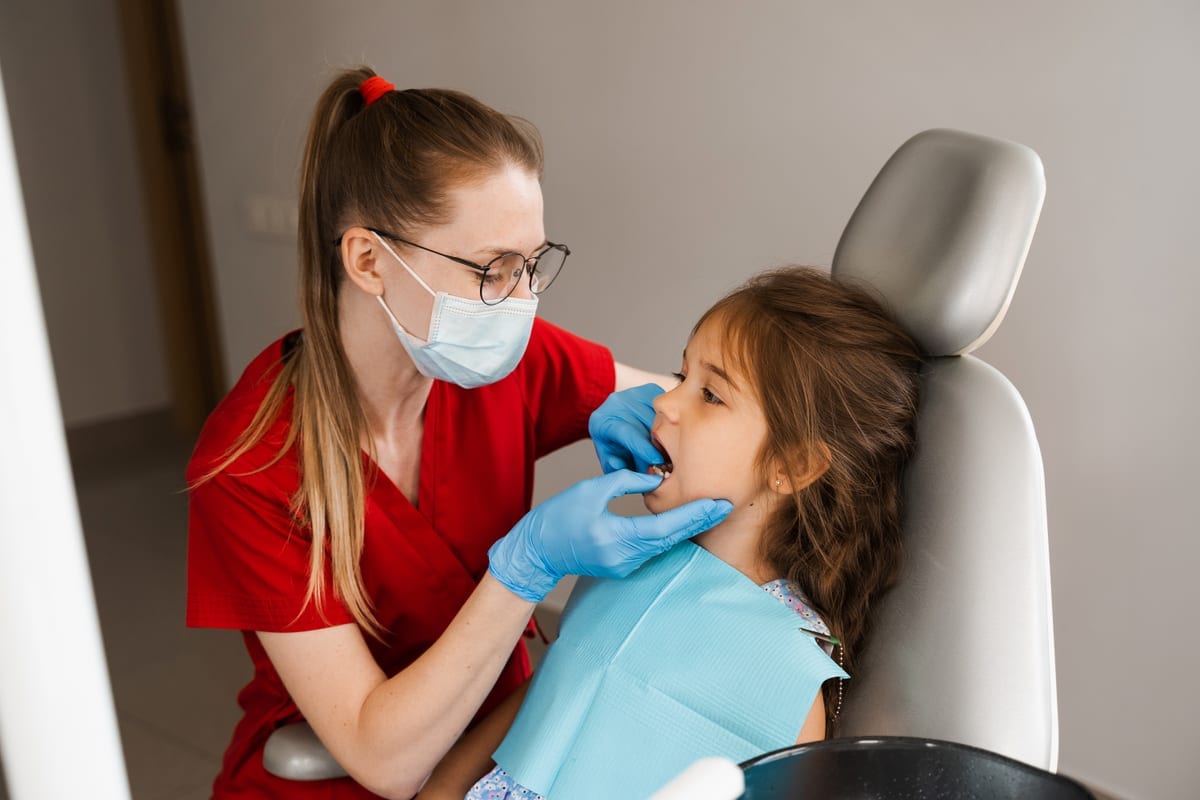
A periodontal maintenance appointment is thorough and targeted. It goes beyond a routine cleaning in important ways. Dr. Kejriwal and the team at MK Dental Excellence ensure each visit delivers real preventive value.
During these visits, the hygienist carefully measures your gum pocket depths. Any changes from your last visit get noted and addressed immediately. This tracking allows the team to spot early warning signs before they become serious problems.
Plaque and tartar are removed from above and below the gumline. The root surfaces are smoothed to discourage future bacterial attachment. Your bite and any existing restorations are also checked for wear or damage.
Good Dental Home Care between visits remains essential. Professional cleanings work best when paired with consistent brushing and flossing. Your hygienist will review your technique and suggest improvements if needed.
- Detailed gum pocket measurement and charting
- Removal of tartar above and below the gumline
- Root surface smoothing to reduce bacterial reattachment
- Oral cancer screening and soft tissue evaluation
- Personalized home care coaching and product recommendations
- X-rays as clinically appropriate to monitor bone levels
How Dental Technology Supports Personalized Care
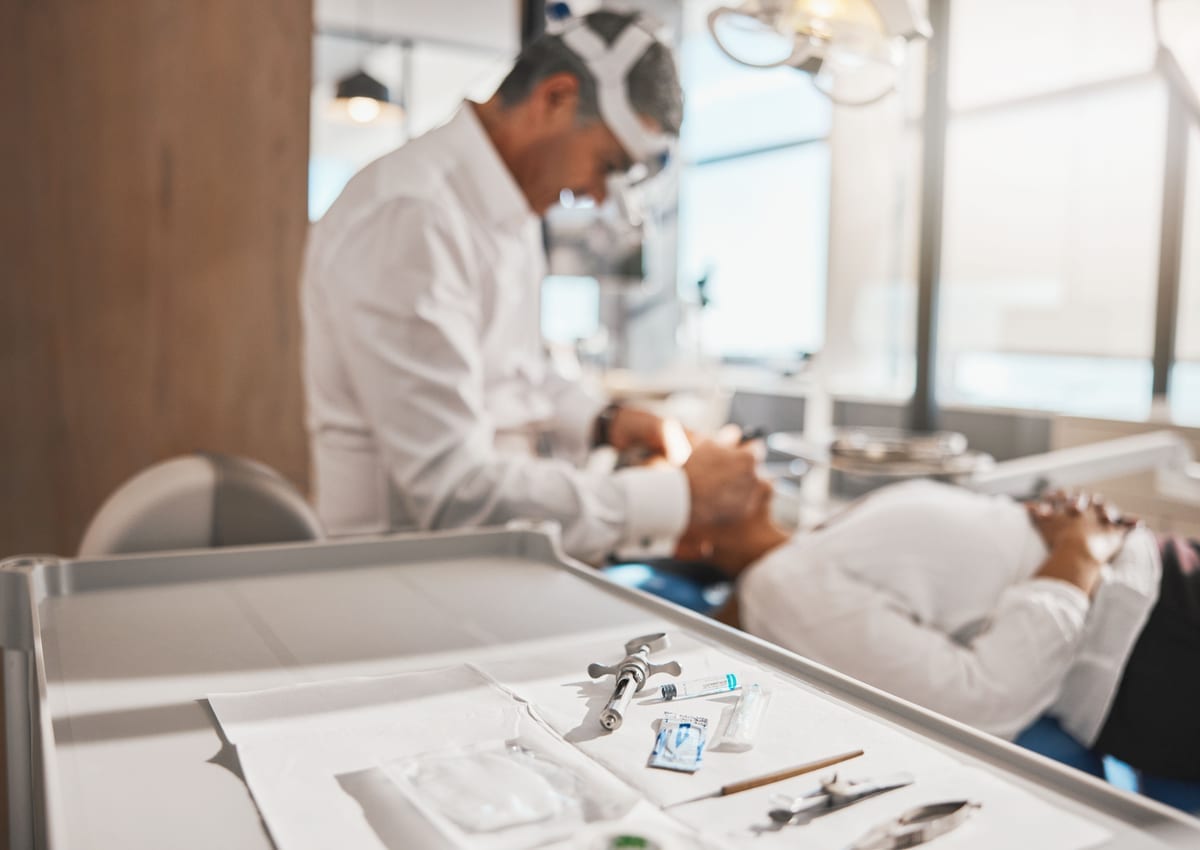
Modern dental tools make it easier to detect problems you cannot see or feel. At MK Dental Excellence, advanced Dental Technology plays a central role in accurate diagnosis. Early detection means simpler, less invasive treatment options.
Digital X-rays expose patients to significantly less radiation than traditional films. They also produce clearer images that help identify bone changes between visits. For patients on 3-month schedules, this level of detail is especially valuable.
Intraoral cameras allow Dr. Kejriwal to show you exactly what she sees inside your mouth. Seeing your own gum tissue and enamel makes it easier to understand your treatment plan. Patient education becomes far more meaningful with visual support.
Consistent use of technology ensures your care stays proactive rather than reactive. When issues appear early, they are almost always easier and less expensive to treat. This is especially true for Cincinnati patients managing gum disease or high decay risk.
How to Know Which Schedule Is Right for You
The best way to determine your ideal cleaning frequency is a comprehensive exam. Dr. Kejriwal reviews your medical history, current gum health, and X-ray findings together. That full picture guides a personalized recommendation.
Your schedule may also change over time. A patient who needed quarterly visits after gum disease treatment might eventually transition back to twice yearly. On the other hand, new health changes can make more frequent visits necessary.
Think of your cleaning interval as a living prescription, not a fixed rule. It adapts as your health and risk factors evolve. Regular communication with your dental team keeps that schedule optimized for you.
Cincinnati patients trust MK Dental Excellence because every recommendation is backed by clinical reasoning. Dr. Kejriwal explains the why behind every suggestion. You leave every visit with a clear understanding of your own oral health.
Conclusion: Protect Your Smile with the Right Schedule
Understanding why your dentist wants you every 3 months, not 6 in Cincinnati comes down to one simple idea: prevention works best when it’s personalized. Your cleaning schedule should reflect your unique biology, habits, and health history. A one-size-fits-all approach leaves many patients vulnerable to problems that are entirely preventable.
Dr. Manju R. Kejriwal and the team at MK Dental Excellence are committed to giving every Cincinnati patient the care schedule they actually need. Whether you’re managing gum disease, navigating health changes, or simply want to stay ahead of problems, we’re here to help. Book Now to schedule your appointment with our team.
Frequently Asked Questions
Why would a dentist recommend cleanings every 3 months instead of every 6?
Some patients have higher risk factors for gum disease, decay, or infection. Harmful bacteria can rebuild to damaging levels in as little as 90 days. A 3-month schedule interrupts that cycle and protects your oral health more effectively.
Is a 3-month cleaning just a regular cleaning or something different?
A 3-month appointment is typically a periodontal maintenance visit. It includes deeper cleaning around the gumline, pocket depth measurements, and closer monitoring of gum tissue. It is more thorough than a standard prophylaxis cleaning.
Will I always need to come every 3 months once I start?
Not necessarily. Your cleaning interval can change based on how your gum health responds to treatment. Dr. Kejriwal reassesses your schedule regularly and adjusts it as your oral health improves or changes.
Does having diabetes really affect how often I should get cleanings?
Yes, significantly. Diabetes impairs the immune response, making it harder for your body to fight oral infections. More frequent cleanings help manage the bacterial load and reduce the risk of gum disease complications in diabetic patients.
How do I know if I need 3-month cleanings as a patient in Cincinnati?
A comprehensive exam at MK Dental Excellence is the best starting point. Dr. Kejriwal evaluates your gum pocket depths, medical history, and X-rays to determine your personal risk level. From there, she will recommend the cleaning schedule that fits your needs.