INVISALIGN $1000 OFF Summer Special. Learn More


You catch your reflection one morning and something feels… different.
Maybe your teeth look slightly shorter. Maybe one tooth seems darker than the others. Maybe your smile photographs differently now, even though nothing hurts.
Most people ignore these small changes because they don’t seem urgent.
But in dentistry, the earliest signs of trouble are often quiet.
Long before severe pain, swelling, or a dental emergency happens, your mouth usually gives subtle warnings. And recognizing those early dental warning signs can help prevent bigger, more expensive problems later.
At MK Dental Excellence in Cincinnati, many patients say the same thing during their first visit:
“I noticed something small months ago, but I didn’t think it mattered.”
Unfortunately, small smile changes can sometimes point to enamel damage, gum disease, bite problems, tooth decay, or hidden infection developing beneath the surface.
Why Small Smile Changes Matter More Than You Think
Your teeth and gums change slowly over time. Because the changes happen gradually, they’re easy to miss.
But your mouth is connected to your overall oral health system. Even tiny differences in color, spacing, texture, or sensitivity may indicate underlying issues that are progressing silently.
Some of the most common early dental warning signs include:
- Teeth looking more transparent near the edges
- Minor gum recession
- Increased tooth sensitivity
- Tiny chips or cracks
- Bad breath that doesn’t go away
- Teeth shifting slightly
- Bite changes
- Discoloration on one tooth
- Frequent jaw tension or headaches
- Bleeding while brushing
Many of these symptoms appear before major discomfort starts.
That’s why preventive dentistry focuses on identifying problems early — while treatment is usually simpler, less invasive, and less costly.
1. Your Teeth Suddenly Look More Worn Down
If your teeth appear flatter, shorter, or uneven, it may not just be normal aging.
Tooth wear often happens from:
- Night grinding (bruxism)
- Acid erosion
- Bite alignment issues
- Aggressive brushing
- Enamel weakening
Enamel does not grow back once it’s lost. As enamel thins, teeth become more vulnerable to cracks, sensitivity, and tooth decay.
Patients in Cincinnati who deal with stress-related grinding often notice these changes without realizing they’re happening during sleep.
What can happen if ignored?
- Fractured teeth
- Chronic jaw pain
- Increased sensitivity
- Need for dental crowns or restorative dentistry later
2. Your Gums Look “Different” Around Certain Teeth
Healthy gums should look firm and consistent.
If one area suddenly appears redder, puffier, or slightly lower than the rest, it may be an early sign of gum disease.
Many people expect gum disease to be painful. Early-stage gum inflammation usually is not.
Common warning signs include:
- Bleeding while flossing
- Gum tenderness
- Receding gums
- Persistent bad breath
- Teeth appearing longer
Left untreated, gum disease can eventually affect bone support around the teeth.
And once bone loss begins, treatment becomes more complicated.
3. A Single Tooth Changes Color
One darker tooth may indicate more than staining.
A tooth that becomes gray, yellow, or darker than neighboring teeth could suggest:
- Internal tooth damage
- Previous trauma
- Infection inside the tooth
- Dying nerve tissue
This is especially important if the color change happens gradually over time.
Even if there’s no pain yet, it’s worth having evaluated by a dentist before infection spreads deeper into the tooth structure.
4. Your Teeth Are Slowly Shifting
Many adults assume teeth movement only happens during childhood.
In reality, teeth can shift throughout life.
Subtle crowding, gaps, or bite changes may signal:
- Bone loss
- Gum disease
- Missing teeth affecting alignment
- Teeth grinding pressure
- Changes in jaw positioning
If your bite suddenly feels “off,” your mouth may be compensating for an underlying issue.
Early intervention may help prevent:
- Uneven tooth wear
- Jaw strain
- Cracked teeth
- TMJ discomfort
- More extensive future treatment
5. You’re Experiencing Sensitivity More Often
Tooth sensitivity is one of the most overlooked early dental warning signs.
Pain from cold drinks, sweets, or brushing may indicate:
- Enamel erosion
- Receding gums
- Tooth decay
- Hairline cracks
- Worn fillings
Sensitivity doesn’t always mean something serious — but persistent sensitivity rarely improves on its own.
The earlier the cause is identified, the easier it usually is to treat.
If your sensitivity started after cosmetic treatment, you may also want to read “Sensitive Teeth After Whitening? Causes, Relief & What to Do in Cincinnati” to understand what’s normal and when to seek professional care.
Why Waiting Often Makes Dental Problems More Expensive
One of the biggest misconceptions in oral health is:
“If it doesn’t hurt, it’s probably fine.”
Many serious dental conditions develop silently.
Small cavities can grow larger without symptoms. Gum disease can progress painlessly for years. Cracks inside teeth may worsen slowly until the tooth fractures unexpectedly.
Preventive visits help identify issues before they become emergencies. If you’ve noticed subtle changes in your teeth, gums, or bite, call us to speak with our team and schedule a preventive dental evaluation before minor concerns become bigger problems.
Some warning signs may seem minor at first but can escalate quickly if ignored. Learn more in our article, “Don’t Ignore These 5 Dental Warning Signs—They Could Turn Into Emergencies.”
Early treatment often means:
| Early Detection | Delayed Treatment |
| Small fillings | Root canals |
| Night guards | Broken teeth |
| Deep cleaning | Gum surgery |
| Minor bonding | Dental crowns |
| Monitoring | Tooth extraction |
When Should You Schedule a Dental Visit?
You should schedule an evaluation if you notice:
- Changes in your bite
- Ongoing sensitivity
- Gum bleeding
- Persistent bad breath
- Visible cracks
- Tooth discoloration
- Jaw soreness
- Teeth shifting
- Changes in smile appearance
Even subtle symptoms deserve attention.
A preventive dental exam can often uncover issues before they affect your comfort, confidence, or long-term oral health.
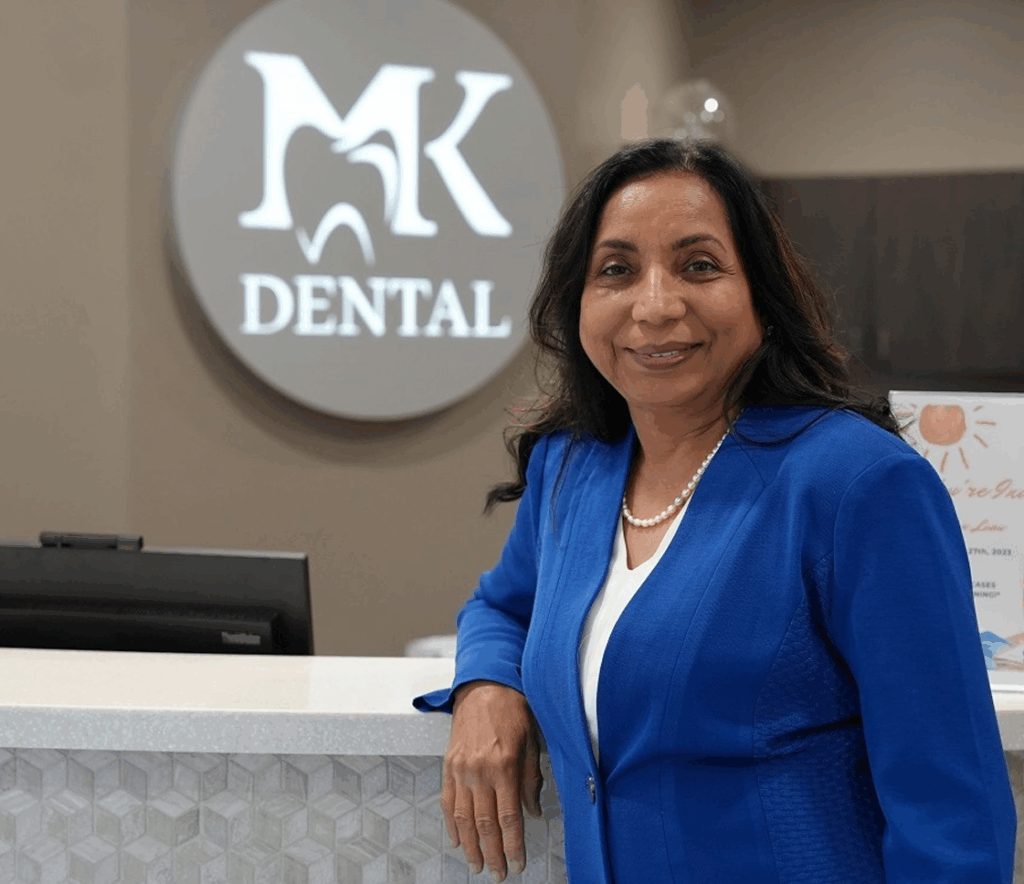
Meet Your Dentist
At MK Dental Excellence, the focus is on helping patients understand what’s happening beneath the surface — not just treating visible symptoms.
The team believes education and early detection are essential parts of long-term oral health. Whether you’re noticing sensitivity, gum changes, or subtle smile shifts, a thorough evaluation can help identify the cause before it progresses further.
Meet your dentist and learn more about your preventive treatment options in Cincinnati.
Don’t Ignore the Small Signs Your Smile Is Giving You
Tiny changes often become bigger dental problems when left untreated.
The good news is that many issues can be managed early with preventive care, professional monitoring, and personalized treatment recommendations.
If you’ve noticed subtle changes in your teeth, gums, or bite, now is the best time to get answers.
At MK Dental Excellence, patients throughout Cincinnati and nearby communities receive thorough preventive evaluations designed to protect long-term oral health before problems become more serious.
Schedule a preventive dental visit today and take action before small concerns become major treatments.
See what patients are saying on Google reviews and learn how early care can help preserve your smile, comfort, and confidence.
FAQs About Early Dental Warning Signs
What are the earliest signs of dental problems?
Some of the earliest signs include tooth sensitivity, bleeding gums, bad breath, enamel wear, tooth discoloration, and small bite changes. These symptoms may appear before pain develops.
Can dental problems exist without pain?
Yes. Many dental issues, including cavities, gum disease, and enamel erosion, can progress silently in the early stages.
Why are my teeth suddenly becoming sensitive?
Sensitivity may result from enamel loss, gum recession, tooth decay, worn fillings, or cracked teeth. A dental exam can help identify the cause.
Is bleeding while brushing normal?
Occasional irritation can happen, but regular bleeding may indicate gum inflammation or early gum disease.
Can teeth shifting in adults be a warning sign?
Yes. Adult tooth movement may signal gum disease, bite imbalance, bone loss, or pressure from grinding.
How often should I visit a dentist for preventive care?
Most patients benefit from dental exams and cleanings every six months, though some may need more frequent visits based on oral health conditions.
When should I search for a dentist in Cincinnati?
You should schedule a dental visit if you notice ongoing sensitivity, gum changes, bite discomfort, visible tooth wear, or any sudden changes in smile appearance.