INVISALIGN $1000 OFF Summer Special. Learn More



Why Your Teeth Hurt After Whitening!
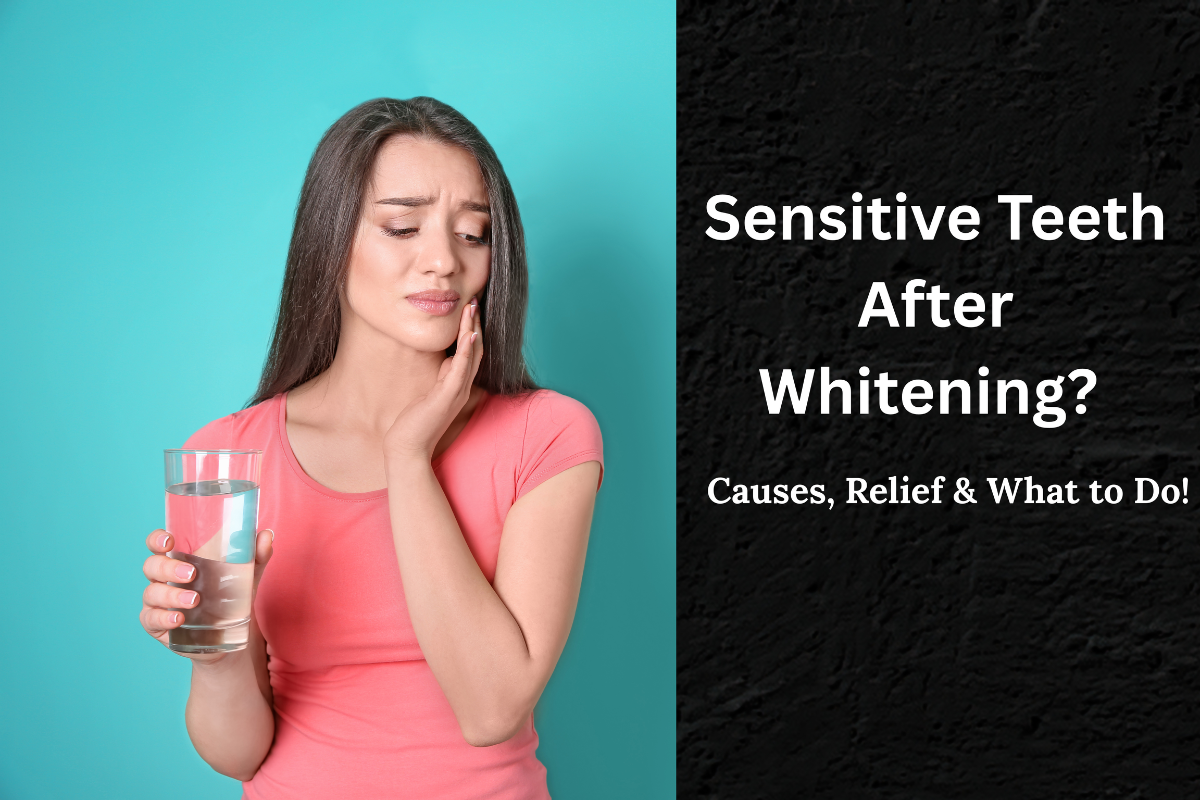
You finally took the step to brighten your smile—only to feel a sudden zing of pain when you sip coffee or breathe in cold air. If you’re dealing with sensitive teeth after whitening, you’re not alone. Many patients across Cincinnati experience this temporary discomfort, and while it can feel alarming, it’s usually a normal part of the whitening process.
The good news? This sensitivity is manageable—and often short-lived. Understanding why it happens and how to get relief fast can help you enjoy your results without the discomfort holding you back.
What Causes Sensitive Teeth After Whitening?
Teeth whitening works by opening tiny pores in your enamel to lift stains. During this process, the inner layer of your tooth (dentin) becomes more exposed—leading to tooth sensitivity after whitening.
Here are the most common reasons:
- Enamel Dehydration
Whitening temporarily dries out your enamel, making nerve endings more reactive. - Exposure of Dentin Tubules
Microscopic channels in your teeth (called dentinal tubules) allow sensations to reach the nerve more easily. - Strong Whitening Agents
Professional treatments use powerful whitening gels that can increase teeth whitening sensitivity, especially if your teeth are already prone to sensitivity. - Pre-Existing Sensitivity
If you already had sensitive teeth before whitening, you’re more likely to notice discomfort afterward.
Is Teeth Whitening Supposed to Hurt?
A common question patients ask is: “Is teeth whitening supposed to hurt?”
The honest answer:
- Mild sensitivity is normal
- Sharp or prolonged pain is NOT
Most people feel a brief tingling or sensitivity to cold that fades within 24–72 hours. If discomfort lasts longer or becomes intense, it could indicate:
- Enamel wear
- Gum irritation
- Overuse of whitening products
That’s when it’s important to consult a dental professional.
Why This Sensitivity Matters More Than You Think
Ignoring why teeth hurt after whitening can lead to:
- Avoiding brushing properly
- Increased risk of cavities
- Gum inflammation
- Disrupted daily habits (eating, drinking, sleeping)
For patients in Cincinnati juggling busy workdays, family life, and social events, this discomfort can quickly become frustrating.
How to Get Immediate Relief from Whitening Sensitivity
If your teeth are feeling sensitive right now, here’s what you can do to calm the discomfort fast:
1. Use a Desensitizing Toothpaste
Look for products with potassium nitrate or fluoride to block nerve signals.
2. Avoid Hot & Cold Foods
Stick to lukewarm meals for a few days.
3. Skip Acidic Drinks
Coffee, soda, and citrus can worsen sensitivity.
4. Use a Soft-Bristle Toothbrush
This helps prevent further irritation.
5. Take a Break from Whitening
Give your enamel time to recover before continuing any treatments.
Professional Solutions That Actually Work
At-home remedies help, but if sensitivity persists, professional care makes a big difference.
Dentists may recommend:
- Fluoride treatments to strengthen enamel
- Custom whitening plans with controlled exposure
- Desensitizing gels for long-term comfort
At MK Dental Excellence, patients across Cincinnati and nearby communities receive personalized whitening approaches that reduce discomfort while still delivering noticeable results.
Local Insight: Why Cincinnati Patients Experience Sensitivity More Often
You might be wondering—why does this seem so common?
Several local lifestyle factors can contribute:
- High coffee consumption
- Seasonal temperature changes
- Frequent intake of acidic foods
That’s why a tailored approach to whitening matters—not just a one-size-fits-all kit.
When Should You Call a Dentist?
You should reach out if you experience:
- Sensitivity lasting more than 3–5 days
- Sharp or shooting pain
- Gum irritation or whitening burns
- Pain when biting or chewing
Don’t wait for it to get worse.
Call MK Dental Excellence today to discuss your symptoms and get expert guidance or book an appointment online for a quick evaluation and relief plan tailored to your needs.
How to Prevent Teeth Whitening Sensitivity in the Future
Prevention is key—especially if you plan to whiten again.
Smart Tips:
- Use sensitivity toothpaste 1–2 weeks before whitening
- Choose professional treatments over over-the-counter kits
- Avoid overuse of whitening products
- Follow post-treatment care instructions carefully
This ensures you get a brighter smile without the unwanted discomfort.
If you’re planning to enhance your smile beyond just whitening, timing and strategy matter. Many patients in Cincinnati choose to combine treatments for better, longer-lasting results. If you’re considering a bigger transformation, check out our guide on “Thinking About a Smile Makeover in Cincinnati?” to understand how to plan your smile upgrade the right way.
FAQs: Sensitive Teeth After Whitening
How long does sensitivity last after teeth whitening?
Typically 24–72 hours, but mild cases may last up to a few days.
Can I brush my teeth if they feel sensitive?
Yes, but use a soft-bristle brush and gentle toothpaste designed for sensitivity.
Should I stop whitening if my teeth hurt?
Yes. Pause treatment and allow your teeth to recover before continuing.
Is professional whitening less painful than store-bought kits?
Yes, because it’s controlled and customized to your needs.
Can sensitivity mean damage to my teeth?
Not always. Temporary sensitivity is normal, but persistent pain should be evaluated.
What foods should I avoid after whitening?
Avoid hot, cold, acidic, and highly pigmented foods for at least 48 hours.
Can I take pain relievers for sensitivity?
Over-the-counter options may help, but consult your dentist if pain continues.
Final Thoughts: Don’t Let Sensitivity Steal Your Smile
A brighter smile shouldn’t come with lasting discomfort. While sensitive teeth after whitening can feel frustrating, it’s usually temporary—and completely manageable with the right care.
If your sensitivity isn’t improving or you want a safer, more comfortable whitening experience:
Call MK Dental Excellence today or schedule your appointment online for expert guidance and personalized care. Your comfort matters just as much as your smile.