INVISALIGN $1000 OFF Summer Special. Learn More




A throbbing tooth is hard to ignore. If you are wondering why your throbbing tooth could be a dangerous dental abscess in Cincinnati, you are asking the right question. A dental abscess is not just a toothache. It is a serious bacterial infection that can spread quickly and become life-threatening if left untreated. At MK Dental Excellence, Dr. Manju R. Kejriwal wants every Cincinnati patient to understand the warning signs before a small problem becomes a medical emergency.
What Is a Dental Abscess and Why Does It Throb?
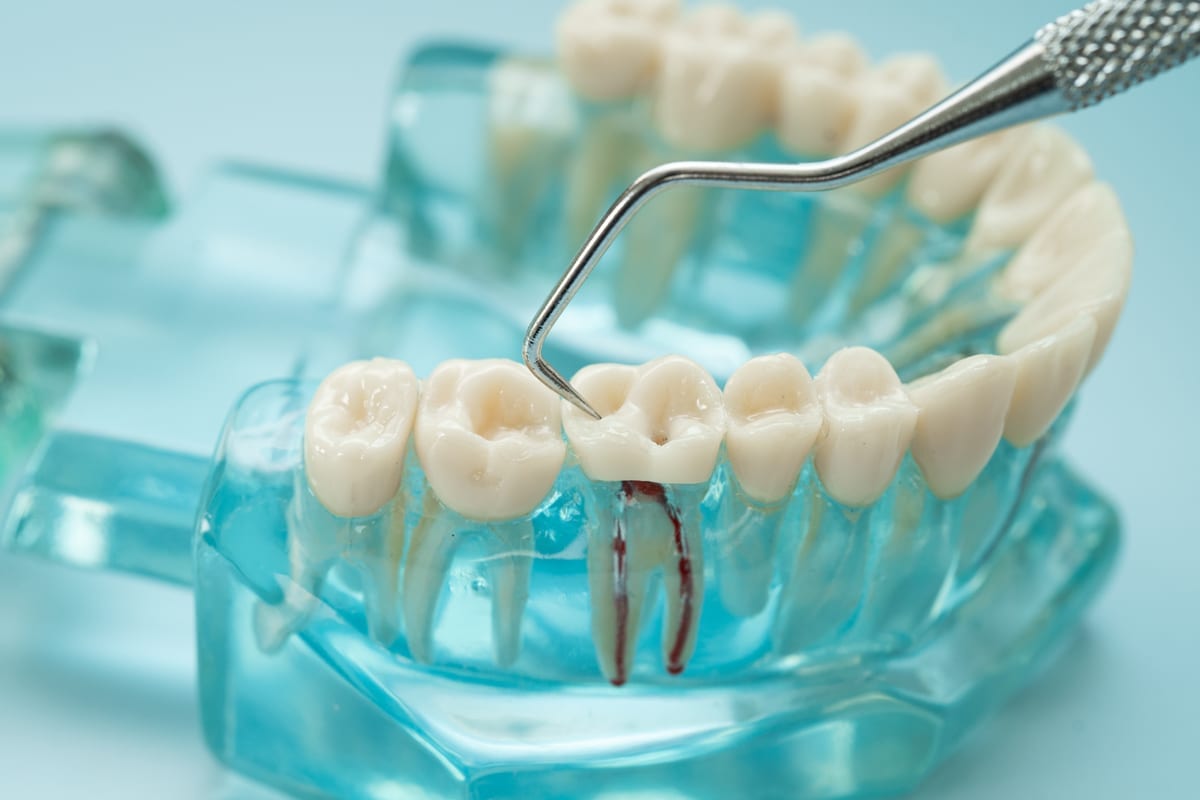
A dental abscess is a pocket of pus caused by a bacterial infection. It forms inside or around a tooth, often at the root tip or in the surrounding gum tissue. The throbbing pain you feel is your body responding to pressure from that built-up infection.
There are two common types of dental abscesses. A periapical abscess forms at the tip of the tooth root. A periodontal abscess develops in the gum tissue next to the tooth. Both are painful and both need prompt treatment.
The pulsing pain often gets worse when you lie down or lean forward. That is because blood pressure increases in those positions. Many Cincinnati patients describe the pain as relentless, even waking them up at night.
Warning Signs You Should Never Ignore in Cincinnati
Not every toothache is an abscess, but certain symptoms are red flags. Recognising them early can protect your health and save your tooth. Watch out for these warning signs:
- Severe, throbbing tooth pain that does not go away
- Swelling in your cheek, jaw, or neck
- A visible bump or pimple on your gum
- Sensitivity to hot and cold that lingers
- Fever, chills, or a general feeling of illness
- A foul or bitter taste in your mouth
- Difficulty swallowing or opening your jaw
Swelling in the neck or difficulty swallowing is a serious red flag. These symptoms may indicate the infection is spreading beyond the tooth. In that case, go to an emergency room immediately without delay.
Why a Dental Abscess Is a True Medical Emergency
Many people try to manage tooth pain with over-the-counter painkillers. This approach only masks the symptom. The infection continues to spread underneath the surface.
Left untreated, a dental abscess can travel to the jawbone. From there, it can reach the neck, chest, and even the brain. This life-threatening complication is called Ludwig’s angina or a descending necrotising mediastinitis. These conditions require hospitalisation and can be fatal.
A dental abscess can also cause sepsis. Sepsis is a whole-body inflammatory response to infection. It can cause organ failure within hours. This is why understanding why your throbbing tooth could be a dangerous dental abscess in Cincinnati matters so much.
The good news is that early treatment prevents all of these outcomes. Acting quickly is always the right choice.
What Causes a Dental Abscess and How Can You Prevent One?
Dental abscesses almost always develop from untreated tooth decay, gum disease, or a cracked tooth. Bacteria enter the inner layers of the tooth through these openings. Once bacteria reach the pulp, infection sets in fast.
Good Dental Home Care Cincinnati habits are your first line of defence against abscesses. Brushing twice daily, flossing every day, and visiting your dentist regularly keeps bacteria in check. These steps prevent the cavities and gum disease that lead to abscesses in the first place.
Diet also plays a role. Frequent sugary snacks and drinks feed the bacteria that cause decay. Limiting sugar and staying hydrated with water reduces your risk significantly.
Dr. Kejriwal also recommends that Cincinnati patients do not delay treating cavities. A small cavity filled early never becomes an abscess. Waiting turns a simple fix into a complex problem.
How Dr. Kejriwal Diagnoses and Treats a Dental Abscess in Cincinnati
At MK Dental Excellence, Dr. Kejriwal uses modern tools to diagnose an abscess accurately and quickly. Advanced Dental Technology Cincinnati patients can access includes digital X-rays and intraoral cameras. These tools let Dr. Kejriwal see exactly where the infection is and how far it has spread.
Treatment depends on the severity of the abscess. Here is what you can typically expect:
- Drainage: Dr. Kejriwal drains the abscess to remove the pus and relieve pressure immediately.
- Root Canal Treatment: This removes infected pulp tissue inside the tooth and saves the natural tooth.
- Antibiotics: If the infection has spread, antibiotics help clear remaining bacteria from your system.
- Tooth Extraction: In severe cases where the tooth cannot be saved, extraction is the safest option.
- Follow-Up Care: After treatment, Dr. Kejriwal monitors healing and discusses restoration options if needed.
No treatment is one-size-fits-all. Dr. Kejriwal creates a personalised plan for every Cincinnati patient based on the extent of their infection and their overall dental health.
When to Call Your Dentist Versus When to Go to the ER
If you have tooth pain and swelling, call MK Dental Excellence right away. Dr. Kejriwal prioritises urgent dental concerns for Cincinnati patients. Same-day appointments are available for dental emergencies whenever possible.
However, some situations require immediate emergency room care. Go to the ER right away if you experience any of the following:
- Swelling that is moving toward your throat or neck
- Difficulty breathing or swallowing
- High fever above 101°F combined with tooth pain
- Confusion, rapid heartbeat, or extreme weakness
These are signs the infection may be spreading rapidly throughout your body. Do not wait for a dental appointment in these cases. Emergency medical care comes first.
Protecting Your Smile and Your Health in Cincinnati
A dental abscess is preventable. Regular dental visits, consistent home care, and prompt treatment of any tooth pain are your best protection. Dr. Manju R. Kejriwal and the team at MK Dental Excellence are here to help Cincinnati patients stay ahead of dental emergencies.
Do not let a throbbing tooth become a dangerous health crisis. Early action always leads to better outcomes, less pain, and lower treatment costs. Your smile — and your health — are worth protecting.
If you are experiencing tooth pain or swelling right now, do not wait. Book Now to schedule your appointment with our team.
Frequently Asked Questions
Can a dental abscess go away on its own?
No, a dental abscess will not go away without treatment. The infection may seem to quiet down if the abscess ruptures, but the underlying infection remains. Without professional treatment, the bacteria continue to spread and the condition worsens. Always see a dentist as soon as possible.
How quickly can a dental abscess become dangerous?
A dental abscess can become dangerous within days if left untreated. The infection can spread to the jaw, neck, and surrounding tissues rapidly. In rare but serious cases, spreading infection can become life-threatening within 24 to 48 hours. Seek dental care at the first sign of swelling or severe pain.
Will antibiotics alone cure a dental abscess?
Antibiotics reduce the bacterial infection but do not eliminate its source. The infected tissue or tooth still needs professional dental treatment. Without removing the source, the abscess is likely to return. Antibiotics work best as part of a complete treatment plan prescribed by your dentist.
Is root canal treatment painful for a dental abscess?
Most patients are surprised by how comfortable modern root canal treatment feels. Dr. Kejriwal uses effective local anaesthesia to numb the area completely before treatment. Many patients report feeling significant relief from abscess pain after the procedure. The process removes the infection and relieves the pressure causing your discomfort.
What happens if I ignore a throbbing tooth in Cincinnati?
Ignoring a throbbing tooth puts your health at serious risk. An untreated abscess can spread infection to your jaw, neck, and vital organs. This can lead to hospitalisation or life-threatening complications. Contacting MK Dental Excellence at the first sign of trouble is always the safest course of action.