INVISALIGN $1000 OFF Summer Special. Learn More




Wisdom teeth raise questions among many adults. These third molars usually arrive in the late teenage years or early 20s, and they don’t always cause trouble. Some people never develop them, and others keep them for a lifetime with no issues. The issue is not knowing when wisdom teeth removal is the best option.
Do All Wisdom Teeth Need to Be Extracted?
Not necessarily. If your third molars are healthy, have erupted in their complete form, are easy to clean, and your gums and surrounding teeth are healthy, your dentist in Cincinnati may simply monitor them with regular exams and X-rays. The American Dental Association further states that wisdom teeth that are kept should be observed over time because issues may develop later.
When removal is a good option
Dentists typically recommend extraction if you have:
- Pain or recurrent infection (pericoronitis)
- Cavities or periodontal pockets around the third molar or the adjacent tooth
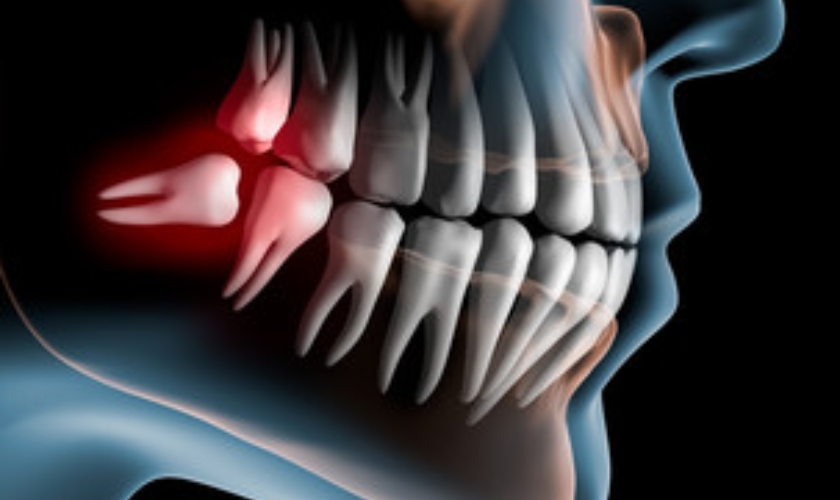
- Cysts, damage to nearby teeth, or a lack of space between teeth that threatens oral health
These are common indications in clinical guidelines that your molars are not healthy. The decision of removing or keeping them comes down to your symptoms, anatomy, hygiene practices, and long-term risks.
What Does the Evidence Say About Preventive Surgery?
Evidence does not support the prophylactic removal of asymptomatic, disease-free impacted third molars. A recent study found insufficient evidence to favor prophylactic surgery over retention, though long-term periodontal problems around the adjacent second molar are more likely if an impacted tooth is retained. In short, one size does not fit all.
Benefits and Risks to Weigh
Removal of an impacted third molar can help you avoid pain, reduce infection, and spare your second molars. However, surgery carries risks. Dry socket (alveolar osteitis) occurs in about 2–5% of all extractions and more commonly after third-molar surgery. Risks and recovery problems also rise with age. Careful after-care minimizes complications.
Timing and Monitoring
If your wisdom teeth are not currently causing problems, your dentist may suggest routine panoramic radiographs and gum measurements to evaluate changes. This “active surveillance” approach enables you to treat challenges early and steer clear of crisis surgery. If changes take place or cleaning around an erupted tooth remains challenging, extraction of wisdom teeth may well turn out to be the healthier choice.
A Simple Way to Decide
- You have symptoms or a disease: extraction is usually best.
- You have no symptoms and healthy tissue: keep an eye on your molars to reassess the decision when necessary.
Book a consultation with our care team to receive dental imaging, a simple care plan, and calm, step-by-step guidance. Schedule your visit today.