



 (513) 613-4071
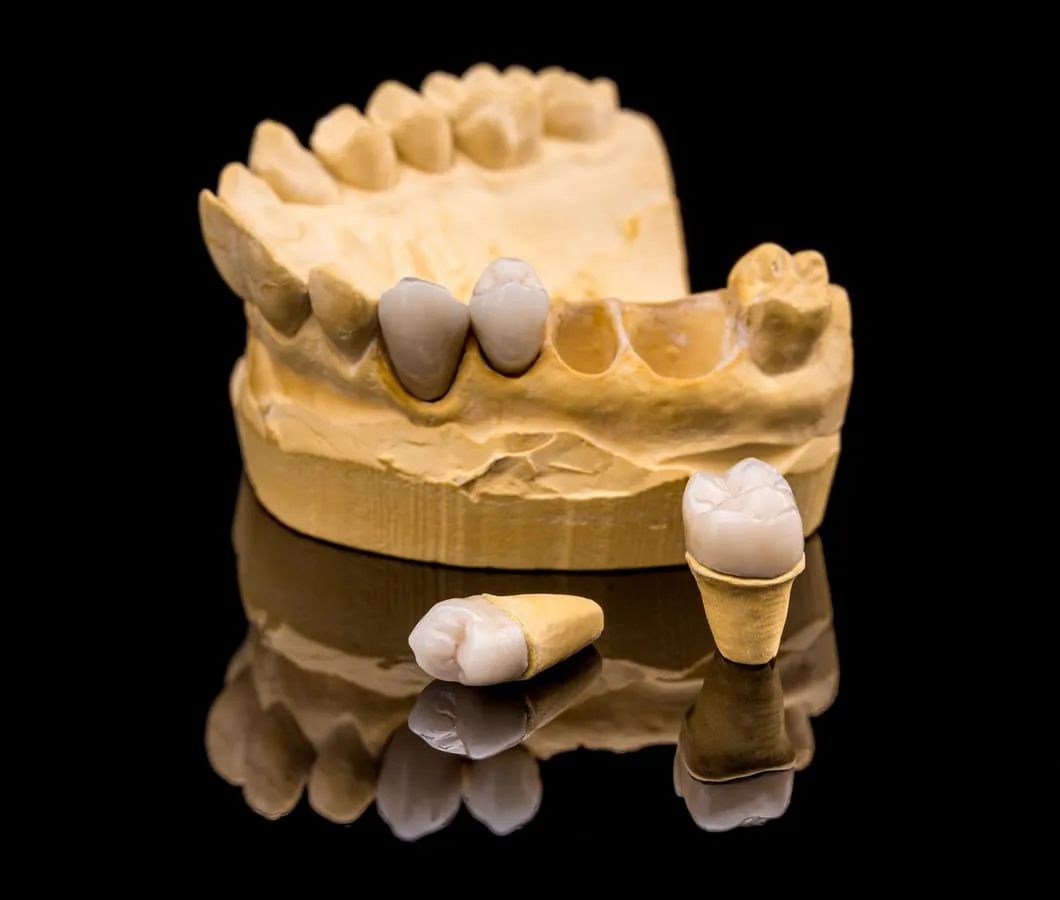
A cracked molar, a tooth weakened by a large old filling, or a front tooth that has lost its shape over the years - these are some of the most common reasons patients in Cincinnati sit in our chair asking the same question: "Can this tooth be saved, and will it look natural again?" More often than not, the answer involves a porcelain dental crown.
Crowns have been a mainstay of restorative dentistry for decades, but the materials and techniques behind them have changed dramatically. Today's porcelain crowns are stronger, thinner, and far more lifelike than the crowns patients may remember from their parents' generation. Understanding how they work, when they're recommended, and what the process actually involves can make the decision to move forward much less intimidating.
This guide walks through the practical realities of getting a porcelain crown - from the dental problems it solves to how long you can expect it to last - so you can have an informed conversation with your dentist about whether it's the right fit for your tooth.
What a Porcelain Crown Actually Does
A dental crown is essentially a custom-made cap that fits over an entire tooth, replacing the outer structure while leaving the healthy root and remaining tooth material in place. Unlike a filling, which repairs a small portion of a tooth, a crown covers the tooth from the gumline up, restoring its shape, size, and strength in a single piece. Porcelain is the material of choice for most visible teeth because it mimics the way natural enamel reflects light and holds color.
Modern porcelain crowns are often fabricated using digital scanning and milling technology rather than the old-fashioned putty impressions many patients remember. Our CAD/CAM system allows us to design a crown that matches the exact contours of your bite, which means fewer adjustment visits and a more precise, comfortable fit from the start.
Crowns are frequently paired with other restorative work, too. A tooth that has had a root canal treatment, for example, is often left brittle afterward and needs a crown to protect it from fracturing under normal chewing pressure. In other cases, a crown anchors a porcelain bridge or caps a dental implant, giving it a natural-looking, fully functional top surface.
Signs Your Tooth May Need a Crown
Not every damaged tooth needs a crown - smaller cavities can often be treated with composite fillings or an onlay. A crown becomes the right call when there isn't enough healthy tooth structure left to support a smaller repair, or when the tooth is at real risk of breaking apart under normal biting force.
Patients are often surprised to learn how many different situations call for a crown. A cracked cusp, a tooth with multiple old fillings that have started to fail at the edges, and a tooth that's simply worn down from years of teeth grinding can all benefit from the added coverage and strength a crown provides.
- Visible cracks or fractures: A tooth with a crack line that reaches toward the gum is at risk of splitting and often needs full coverage to stay intact.
- Large, failing fillings: When a filling takes up most of the tooth's surface, the remaining enamel walls become thin and prone to breaking.
- Post-root canal teeth: Treated teeth lose some internal moisture over time and become more brittle, making a protective crown important.
- Severe wear from grinding: Years of nighttime clenching, a concern we also address through teeth grinding treatment, can flatten teeth enough to need rebuilding.
- Cosmetic irregularities: Misshapen or heavily discolored teeth that don't respond well to whitening or bonding alone can be reshaped with a crown.
What Happens During the Crown Process
Getting a porcelain crown generally takes two appointments, though some practices with in-house milling equipment can complete it in a single visit. At the first appointment, the dentist numbs the area, removes any decay or weakened tooth structure, and reshapes the tooth so the crown will fit over it with the correct thickness and bite alignment.
Once the tooth is prepared, we take a digital scan or impression to send to the lab (or, in some cases, mill the crown on-site). A temporary crown is placed to protect the tooth while the permanent restoration is being made, usually over one to two weeks. At the second visit, the temporary is removed, and the permanent porcelain crown is checked for fit, bite, and color match before being permanently cemented in place.
Most patients describe the procedure as straightforward and no more uncomfortable than getting a routine filling. We frequently use digital X-ray imaging beforehand to check the health of the tooth's root and surrounding bone, which helps us confirm a crown - rather than an extraction or implant - is truly the best option before we begin.
How Long Do Porcelain Crowns Last?
With good care, a porcelain crown commonly lasts between 10 and 15 years, and many patients get considerably longer use out of them. Longevity depends heavily on where the crown sits in the mouth, how much bite force it absorbs daily, and whether the patient grinds or clenches at night.
Crowns rarely fail all at once. More often, we see gradual issues - a bit of gum recession exposing the margin of the crown, or minor chipping along the biting edge after years of use. Routine checkups let us catch these small changes early, often during the same visit as your regular teeth cleaning, before they turn into bigger problems.
It's also worth noting that the tooth underneath the crown is still a living part of your mouth (unless it's had a root canal) and can still develop decay at the gumline if plaque builds up there. A crown protects the top and sides of a tooth, but it doesn't make ongoing hygiene optional.
Caring for a Porcelain Crown Long-Term
Caring for a porcelain crown is almost identical to caring for a natural tooth, with a couple of extra points of attention. Brushing twice daily and flossing around the base of the crown prevents the buildup of plaque where the restoration meets the gumline, which is the area most vulnerable to decay and gum irritation.
Patients who grind their teeth at night should seriously consider a nightguard, since repetitive pressure is one of the leading causes of crown chips and loosening over time. If you've noticed morning jaw soreness or flattened teeth, it's worth discussing our oral appliances options at your next visit.
Hard foods like ice, unpopped popcorn kernels, and hard candy put unnecessary stress on any crown, porcelain or otherwise. Treating a crowned tooth with the same respect you'd give a natural one goes a long way toward protecting your investment and avoiding an unplanned repair visit.
What Affects the Cost of a Crown
Crown pricing varies based on several factors: the material used, the tooth's location in the mouth, whether a root canal or bone work is needed beforehand, and your dental insurance coverage. Front teeth sometimes require additional artistry to match surrounding teeth, while back molars are built with an emphasis on bite strength.
Many dental insurance plans cover a meaningful portion of crown treatment when it's medically necessary - for example, when a tooth is fractured or has had root canal therapy - as opposed to purely cosmetic cases. Our team reviews your specific coverage and walks through the numbers before any work begins, so there are no surprises.
If cost is a concern, we're happy to talk through financing options and treatment sequencing during a consultation with our adult dentistry team, so you can move forward with a plan that fits both your mouth and your budget.
Key Takeaways
- Porcelain crowns restore both the strength and the natural appearance of a damaged or heavily filled tooth.
- Common reasons for a crown include cracks, large failing fillings, post-root canal protection, and severe wear.
- The process typically takes two visits, with a temporary crown worn in between while the permanent one is made.
- Well-maintained crowns often last 10 to 15 years or longer with consistent oral hygiene and regular checkups.
- Nightguards and avoiding hard foods significantly reduce the risk of chips or early crown failure.
Frequently Asked Questions
Does getting a crown hurt?
The tooth is numbed before any reshaping begins, so patients typically feel pressure rather than pain during the procedure. Mild sensitivity to temperature or biting pressure for a few days afterward is normal and usually resolves on its own.
Can a porcelain crown match the color of my other teeth?
Yes. Porcelain is shade-matched to your surrounding teeth before fabrication, and our lab technicians can adjust translucency and texture so the crown blends in naturally, even on front teeth.
What's the difference between a crown and a veneer?
A veneer covers only the front surface of a tooth and is used mainly for cosmetic changes on otherwise healthy teeth, while a crown covers the entire tooth and is built to restore strength as well as appearance. If you're weighing the two, our porcelain veneers page outlines when veneers make more sense.
Will I need a root canal before getting a crown?
Not always. A root canal is only necessary if the tooth's nerve is damaged, infected, or severely inflamed. Many crowns are placed on teeth that simply need structural reinforcement, with no nerve involvement at all.
What should I do if my temporary crown falls off?
Call our office as soon as possible so we can re-cement or replace it. Leaving the prepared tooth exposed for too long can lead to sensitivity or shifting of the surrounding teeth before your permanent crown is ready.
Bringing Strength and Confidence Back to Your Smile
A damaged or heavily worn tooth doesn't have to mean losing it altogether. Porcelain crowns give Cincinnati patients a reliable way to keep their natural tooth root in place while rebuilding the visible structure to look and function like the original. The technology behind modern crowns has made the process faster, more precise, and far more comfortable than it was even a decade ago.
If you have a tooth that's cracked, heavily filled, or simply doesn't look the way it used to, it's worth having it evaluated before the problem gets more complicated. Our team at MK Dental Excellence can walk you through your options and help determine whether a porcelain crown is the right solution for your specific situation.